Dental Implants In Sydney

If you’re missing a natural tooth, you may need dental implants to restore both function and aesthetics to the mouth. The general dentists at Marsfield Dental Care provide professional treatments to patients in Sydney suburbs, with the advanced training and expertise to deliver the results you want.

null

Quality Treatment

null

Gentle Care

null

Positive Reviews

null

Quality Treatment

null

Gentle Care

null

Positive Reviews

Book an Appointment


Dental Implants Specialist in Sydney

A referral to an oral surgeon, periodontist and/or prosthodontist may be required in some cases. Risks and consequences may apply to any treatment, in particular implant treatment. It is best that you are assessed by a dental professional prior to embarking on any dental implant treatment so that the risks, consequences and benefits of such treatment are explained to you in detail and in-person. A second opinion may be recommended when considering complex treatment.

We believe that everyone has the right to high quality, affordable dental care, providing a wide range of dental services to ensure you achieve that perfect smile. From dental implants to dental fillings and crowns, our qualified doctors are on-hand to talk you through your options, to explain the process and benefits of each.

What are dental implants?

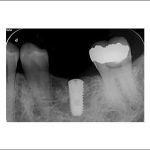
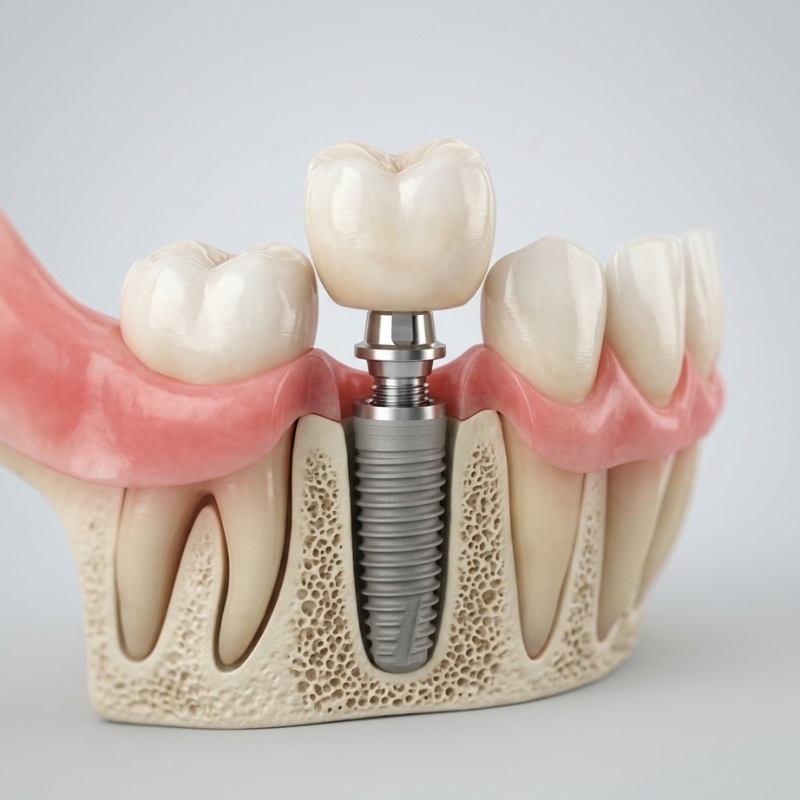
Dental implants are a long-term treatment option to correct one or more missing teeth. They’re usually made of a biocompatible titanium material that is surgically inserted into the gum to enable it to permanently fuse with the jawbone.

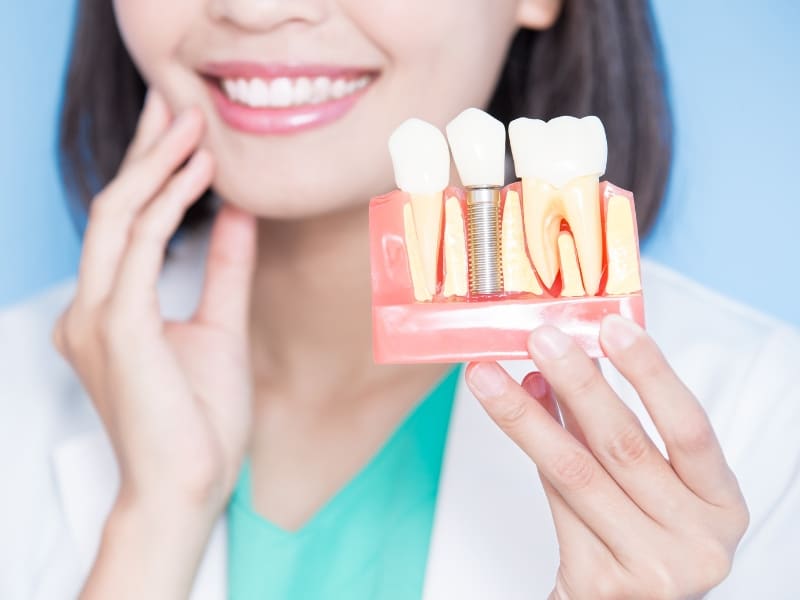
Implants function in a similar way to natural teeth, providing an anchor for replacement treatments such as crowns and bridges, with a screw that acts as the new root. At Marsfield Dental Care, we use the latest dentistry technology and methods to ensure minimal trauma to your gum and deliver the most comfortable treatment possible.

Are dental implants right for you?

Dental implants are an attractive alternative to dentures when correcting missing teeth. A good candidate for implant treatment has good oral health and strong bone structure in the jaw to support the implant. Whether you have one missing tooth or multiple, if you’re searching for a natural-looking solution, implants may be the right option for you.

There are numerous benefits to dental implants, including:

They provide a naturally enhanced appearance, that improve not only your smile but can also rejuvenate your entire face.

They can restore your confidence in your smile.

There’s no harm to your natural teeth; the process involves no grinding or cutting down of neighbouring teeth.

No toxic adhesives or metals are used, so there’s no risk of allergies or related side effects.

Aftercare is simple, as implants function just like normal teeth.

What’s involved in the procedure?

Our dentists approach the implant process with our high clinical standards, from initial consultation to final results. As a nationally accredited practice, we follow set national standards for infection control and have been assessed on these standards.

We’ll talk you through every step of the process and educate you on aftercare and maintaining the cleanliness of your implants. Since implants can be a time-consuming and often costly process, before placing them we give our patients an honest opinion based on clinical and radiographic (X-rays) examinations. You will need extra imaging to determine whether there is enough bone to place implants, the location of any vital anatomic structures and what dimensions the implant to be placed can fit in.

Here’s what you can expect from the implant process:

A thorough assessment of your teeth and gums.

We fit a connecting structure (known as an abutment) over the implant.

We insert a post into the jawbone to enable it to fuse with the bone, creating a strong foundation for the replacement tooth.

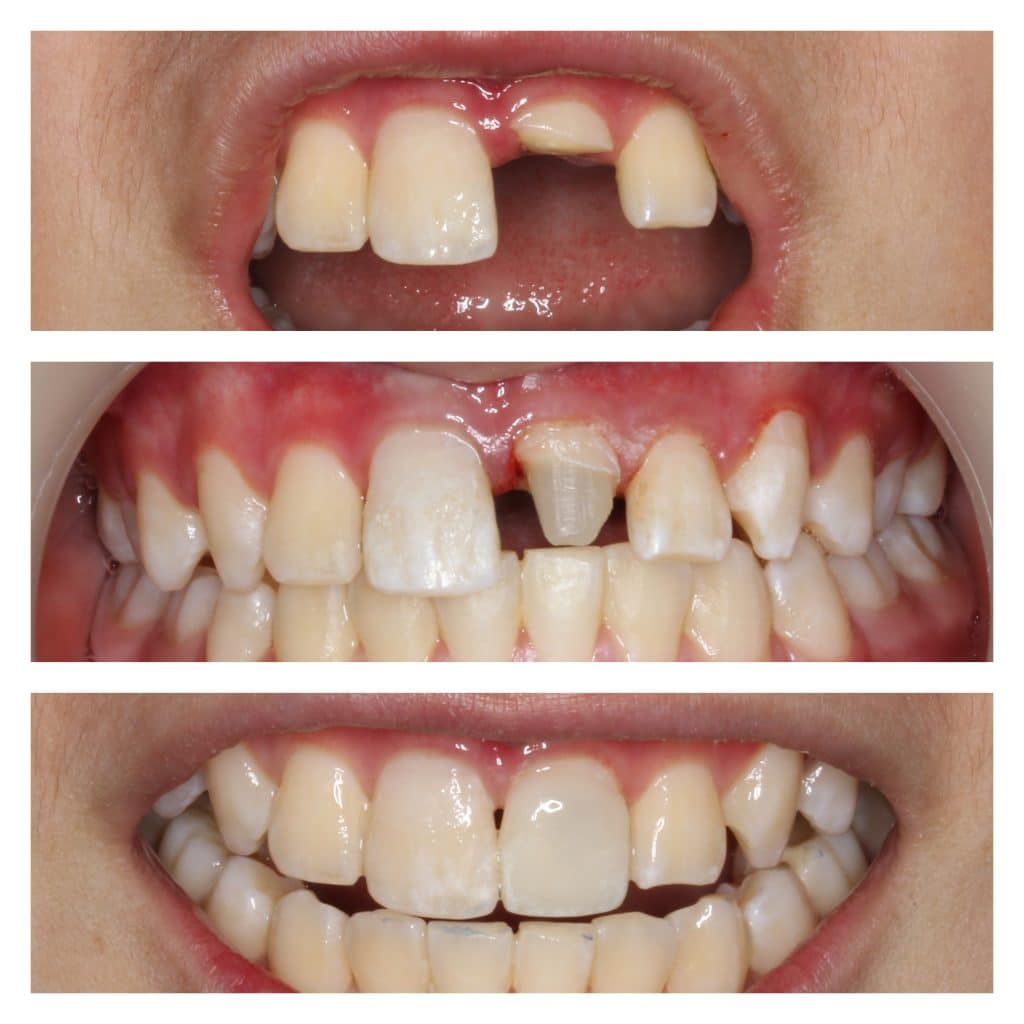
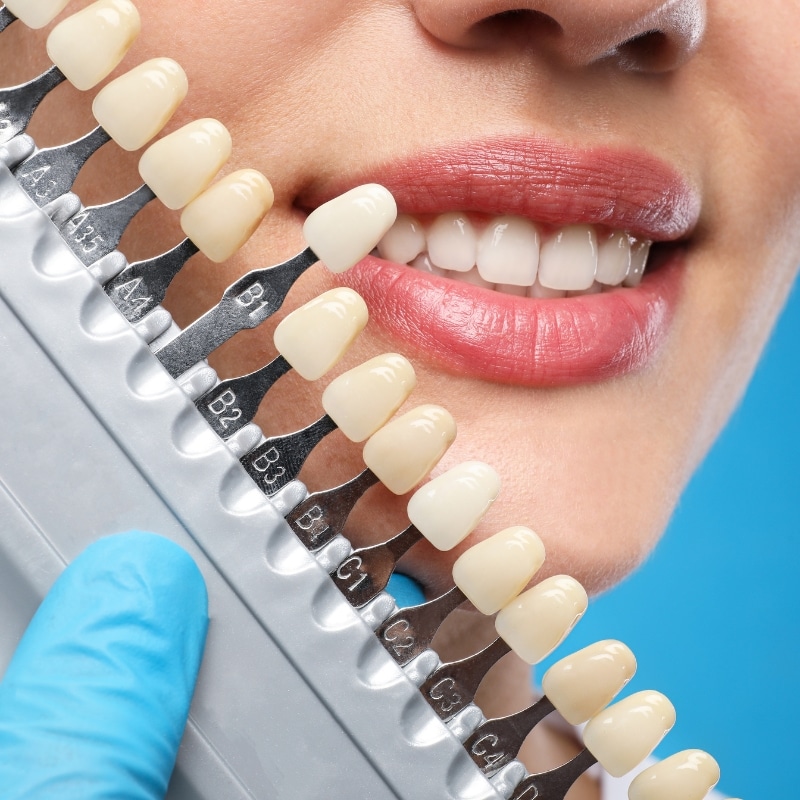
A crown that matches the colour and shape of your existing natural teeth is connected to the abutment.

Typically, you’ll need two appointments for dental implants, and the process can take up to 3-6 months.

Dental Implant Dentists in Sydney

To determine which treatment is suitable for you, please seek a consultation first. Due to the complexity of dental implant treatment, quotations are given after physical assessment.
To find out more about dental implants and other treatments in Sydney suburbs, contact us on (02) 98871961. Otherwise, make an appointment online using our simple booking form.

If you’re looking for a dentist in Sydney who takes genuine care in their work and the well-being of his or her patients, call today and let Dr Choo, Dr Ip and their friendly staff look after you, your family and those pearly whites!

Book a consultation at our Marsfield Dental Clinic or Book Online

Related Blog Posts About Dental Implants

Frequently Asked Questions

A dental implant is a small post, usually made of biocompatible titanium, that is placed into the jawbone to replace the root of a missing tooth. Once the bone has healed around it, an abutment is attached and a crown is fitted on top. The result functions and is cared for much like a natural tooth.

Implants can replace a single tooth, several teeth, or support a bridge. At Marsfield Dental Care, dental implants in Sydney start with an assessment of bone volume, gum health and your general health, because these determine whether an implant is suitable.

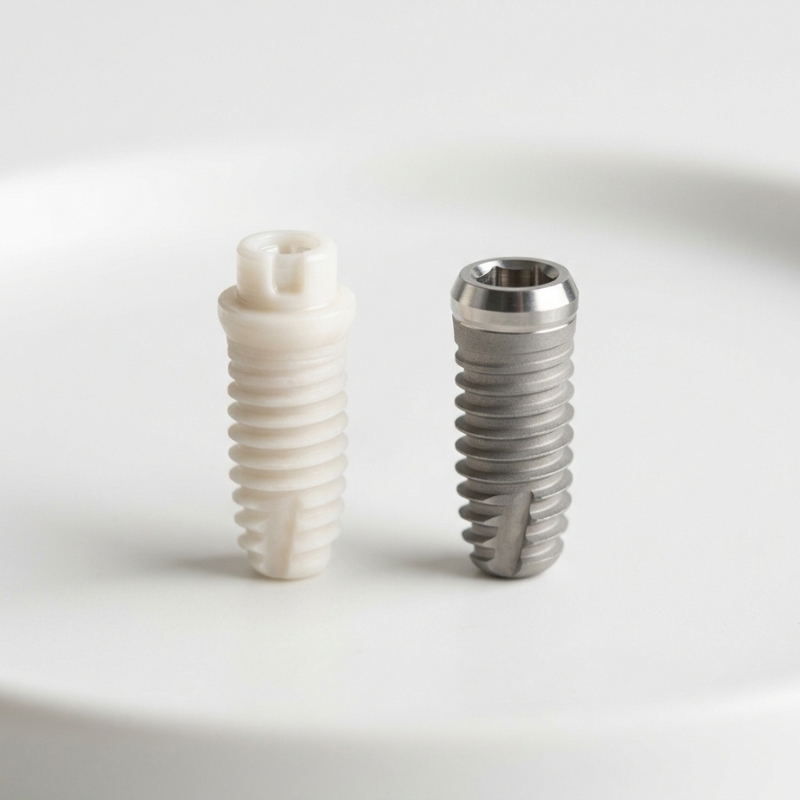
Metal-free zirconia implants are also available for patients who prefer to avoid titanium.

Allow three to six months from placement to the final crown in most cases. The implant needs time to integrate with the jawbone before it can carry a crown, and that healing cannot be rushed.

Treatment typically involves two main appointments, one to place the implant and a later one to fit the abutment and crown, with review visits in between.

The timeline extends if a tooth needs extracting first, if a bone graft or sinus procedure is required, or if gum treatment is needed beforehand. Healing rates vary between individuals, and smoking, diabetes and some medications can slow the process.

Your dentist will give you a timeline specific to your case.

Suitability depends on having enough healthy jawbone to hold the implant, healthy gums, and general health that supports healing.

Implants can fail, and the risk is higher in people who smoke, have uncontrolled diabetes, have untreated gum disease, or take certain medications, particularly some bone medications. Grinding and clenching also place additional load on an implant.

Where bone volume is insufficient, grafting may make treatment possible.

This is why assessment for dental implants in Sydney involves X-rays and a review of your medical history and medications, not just a look at the gap.

If implants are not appropriate, a bridge or a partial denture may achieve a similar result.

Clean it as carefully as a natural tooth, and in some respects more so. Brush twice daily, clean around and between the implant with floss, interdental brushes or a water flosser as advised, and attend regular check-ups and cleans.
Implants cannot decay, but the gum and bone around them can become inflamed and infected. This condition, peri-implantitis, can lead to implant loss if it is not caught early, and smoking increases the risk substantially.

Professional cleaning uses instruments that will not scratch the implant surface, which is one reason home care alone is not enough.

If the area bleeds, feels sore or the crown feels loose, book in rather than waiting.

Because implant treatment varies so much between patients, quotations are given after a physical assessment rather than over the phone.

The total depends on whether an extraction, bone graft or sinus procedure is needed, the implant and crown materials chosen, and how many teeth are being replaced.

A written treatment plan setting out each stage and its cost is provided before treatment starts, so there are no surprises partway through.

Health fund rebates for implants vary widely; bring your fund details and we can supply the item numbers to check your cover.

Payment plans are available. Where cost is a barrier, a bridge or a partial denture may be worth discussing as an alternative.

(02) 9887 1961