Dental Pain Relief

The cause of oral pain based on patient symptoms is often complex to diagnose. While the cause of the pain may be acute gum inflammation, more often than not tooth decay is the most common suspect for pain that appears to originate dentally.

null

Quality Treatment

null

Gentle Care

null

Positive Reviews

null

Quality Treatment

null

Gentle Care

null

Positive Reviews

Book an Appointment


If you are experiencing dental pain, Marsfield Dental Care has the instruments and experience for your dental problems. From emergency toothache relief to wisdom tooth pain relief, our dentists know what to do to alleviate your pain in no time.

The Symptoms of a Toothache

A toothache may be due to tooth decay and a cavity, an abscess or a fracture, unless you are experiencing teeth grinding or infected gums. These will manifest as a throbbing pain in your mouth. This may be combined with tenderness or swelling in the gums, aching jaw muscles, a bad taste or smell in the mouth, or even a fever. The ache may build into a sharp pain each time you bite, eat something sweet, or eat something very hot or cold. Occasionally, oral pain isn’t so much a toothache as having teeth that feel overly sensitive or as if they’re tingling.

What to Do If You Have a Toothache Pain

These symptoms can feel alarming! If you are experiencing a toothache or any other symptoms of oral pain, book a visit to your dental clinic immediately. You will need to see a dentist if the pain builds or spreads, lasts longer than a day, or starts to cause other symptoms. If you have had an acute injury that has damaged a tooth or even knocked a tooth out, book an appointment with your dentist as soon as you can.

What to Do with A Knocked-Out Tooth

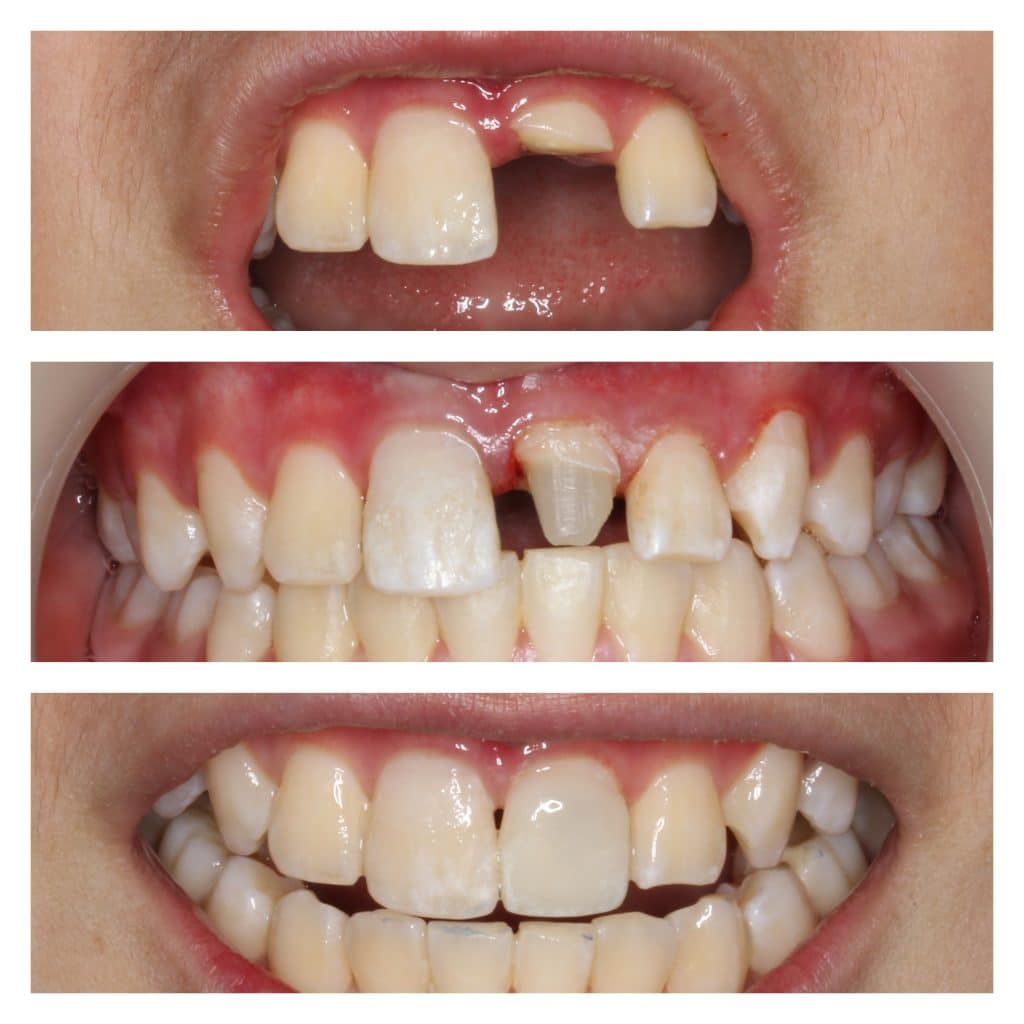
In a situation where a tooth has been knocked out, gently pick up the tooth by the crown or exposed side. Clean the tooth, ideally by rinsing it in milk, otherwise in a saltwater solution. Don’t use pure water or any form of soap or cleaning chemical! Also, make sure to avoid scrubbing the tooth or letting it become dry. Instead, place the tooth back into the socket it fell out of, in its correct orientation, and get the patient to see a dentist as soon as possible.

Got the Verdict? So What Now?

After giving you an honest examination and diagnosis, Marsfield Dental Care will proceed to deal with your discomfort immediately. From our experience, the 3 most common treatment procedures used to relieve pain are fillings, root canal therapy and tooth extraction.

Please note that risks and consequences may apply to any treatment. Always seek a second opinion when considering complex treatment. A referral to a specialist may be required in certain situations. Accurate quotations can only be given upon physical assessment and so we do not give pricing details over the phone.

If you’re looking for a dentist in Sydney who takes genuine care in their work and the well-being of his or her patients, call today and let Dr Choo, Dr Ip and their friendly staff look after you, your family and those pearly whites!

Book a consultation at our Marsfield Dental Clinic or Book Online

Related Blog Posts About Dental Pain Relief

Frequently Asked Questions

Take over-the-counter pain relief according to the packet directions and any advice from your pharmacist or doctor, checking it is suitable alongside your other medications.

A cold compress against the cheek for 15 to 20 minutes at a time can reduce swelling. Rinsing gently with warm salt water may help. Keep your head elevated when lying down, as pain often worsens flat.

Avoid very hot, cold or sweet food and drink. Do not place aspirin directly against the gum, as it burns the tissue.

These measures manage symptoms; they do not treat the cause, so treat them as a bridge to an appointment.

Dental pain relief in Sydney starts with finding out what is causing the pain. Toothache is usually a sign of decay, infection or a crack, so book an appointment rather than waiting for it to pass.

Seek same-day care for severe pain not controlled by over-the-counter medication, pain with facial swelling, pain with fever, a knocked-out or badly broken tooth, or uncontrolled bleeding.

Go straight to a hospital emergency department, not a dental practice, if swelling is spreading towards the eye or neck, if you have difficulty swallowing, breathing or opening your mouth, or if you feel generally unwell with fever. These can indicate a spreading infection that needs urgent medical treatment.

Pain that has been building over days, or that wakes you at night, should be seen promptly even without swelling.

For dental pain relief in Sydney during opening hours, phone the practice and describe the symptoms.

Intermittent pain often reflects the stage of the underlying problem.

Early on, an inflamed nerve reacts to triggers such as cold, heat, sweetness or biting, then settles once the trigger is removed. As inflammation progresses, pain lasts longer after the trigger and may begin waking you at night.

If the nerve then dies, pain can disappear entirely for a period, which many people take as recovery. It is not. Infection continues at the root tip and usually returns as a dull ache, pain on biting, or a swelling.

Pain that stops is therefore not evidence the problem has resolved.

An examination and X-ray show what is actually happening inside the tooth.

Usually not on their own.

Antibiotics can help control a spreading infection and reduce swelling, but they do not remove the source, which is the infected pulp inside the tooth or the decay that let bacteria in.

Symptoms often improve while the course is taken and return once it finishes, because the underlying cause is untreated.

Definitive treatment means addressing the tooth itself, generally with a filling, root canal treatment or extraction.

Australian prescribing guidelines discourage antibiotics for dental pain without signs of spreading infection, partly because of antibiotic resistance.

Your dentist will assess whether antibiotics are appropriate in your case, and will explain what treatment the tooth needs regardless.

Yes. Wisdom teeth erupting can cause temporary soreness, and the gum flap over a partly erupted wisdom tooth can become inflamed, a condition called pericoronitis, which often settles with cleaning, warm salt water rinses and, where needed, treatment at the practice.

Not every painful wisdom tooth has to come out.

Removal is considered when episodes recur, when the tooth is decayed or damaging the tooth in front, when there is a cyst, or when it cannot be cleaned adequately.

An X-ray shows the position and root shape, which determines both whether removal is advisable and how involved it would be.

Where the tooth can be kept and monitored, that option is discussed.

(02) 9887 1961