
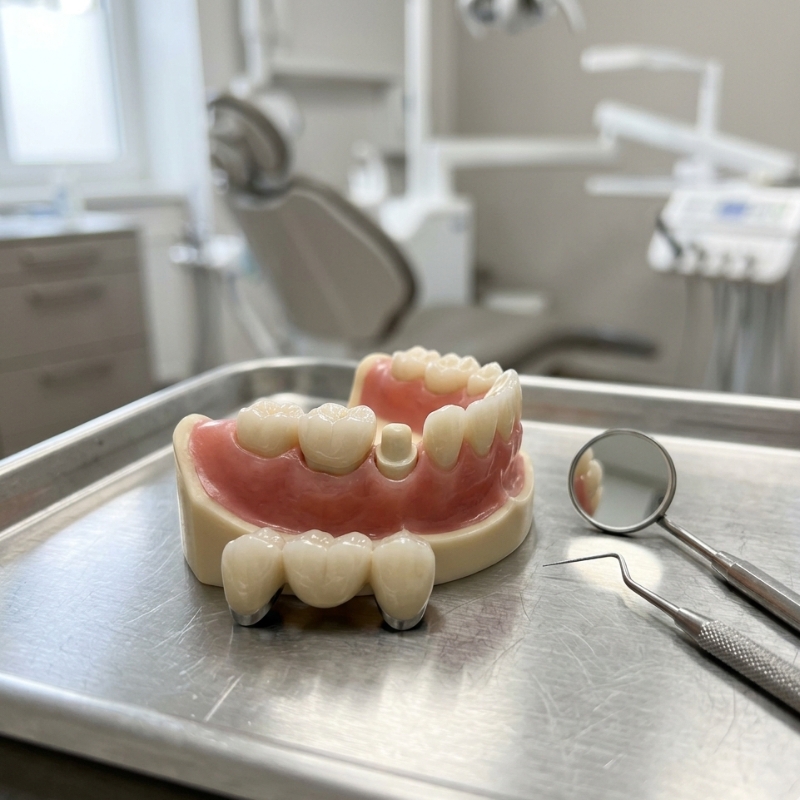
If you’ve ever been told you need a “restoration” and then heard a blur of material names (porcelain, ceramic, composite, gold), you’re not alone. Even in Sydney, where dentistry is modern, and options are plentiful, most people only learn about dental materials when something breaks, chips, aches, or needs replacing.
This guide is designed to help you make sense of the most common dental materials in plain Australian English. It’s not about pushing you toward one option. It’s about understanding trade-offs so you can have a better conversation, ask smarter questions, and choose what suits your tooth, your bite, and your priorities.
First: “Material” is only one part of the decision
Before we compare materials, it helps to know what dentists are really balancing. A material might be excellent in one situation and a poor fit in another.
Your dentist will typically consider:
• Where the tooth sits (front vs back)
• How much tooth structure is missing
• Whether you clench or grind (bruxism)
• Your bite forces and chewing patterns
• How visible the tooth is when you talk or smile
• Moisture control during placement (some materials need a very dry field)
• How easy is the restoration to repair later
• Your preferences around aesthetics and longevity
In other words, the “best” material is usually the one that matches the job.
Q&A: Why can two people with “the same problem” get different materials?
Because the same-looking chip or cavity can behave differently depending on bite load, crack direction, and how much healthy enamel is left to bond to. A small defect on a premolar can sometimes be treated conservatively, while a similar-looking defect on a heavily loaded molar in a grinder may need a stronger, more protective approach.
The big categories: direct vs indirect restorations
One of the most useful ways to understand dental materials is to group them by how they’re placed.
Direct restorations (placed in one visit)
These are shaped directly on your tooth in the chair.
• Composite resin (tooth-coloured “white filling”) is the classic example
• Some other materials exist (e.g., glass ionomer in certain cases), but composite is the common “patient choice” discussion
Indirect restorations (made outside the mouth)
These are fabricated in a lab or via CAD/CAM milling and then bonded or cemented onto the tooth.
• Porcelain/ceramic inlays/onlays and other ceramic restorations
• Gold inlays/onlays
• Other lab-made restorations
If you’ve been told you might need extra coverage or protection, this is where the conversation often shifts toward crowns and bridges as longer-term restorations.
Composite resin: the versatile tooth-coloured option
Composite resin is a strong, plastic-based material that can be colour-matched to your tooth. It’s widely used in Sydney because it’s conservative (often requires less tooth removal than older approaches), looks natural, and can be placed in a single appointment for many cases.
Where composite shines
• Small-to-medium cavities
• Fixing chips on front teeth
• Replacing older fillings
• Areas where aesthetics matter
• Cases where repairability is a priority
Trade-offs to understand
Composite is strong, but it isn’t indestructible. It can:
• Wear faster than ceramics or gold in heavy chewers
• Pick up stains over time (especially with coffee, tea, red wine)
• Chip at edges if bite forces are high or the tooth is thin
• Fail earlier if moisture control is difficult during placement
In practical terms, a composite is often excellent when the tooth has enough structure left, the decay/chip isn’t huge, and the bite isn’t brutal.
Q&A: Are composite fillings “safe”?
Composite materials are commonly used worldwide and are considered safe for dental restorations in routine care. If you have concerns due to allergies, sensitivities, pregnancy, or medical history, bring it up directly so your dentist can discuss your personal risk factors and suitable alternatives.
Porcelain and ceramic: what’s the difference?
Patients often hear “porcelain” and “ceramic” used interchangeably. That’s because porcelain is a type of ceramic, and modern dentistry uses several ceramic families.
What you need to know as a patient is simpler:
• Ceramics can look extremely natural (great translucency and colour stability)
• Many ceramics are very hard and wear-resistant
• Some ceramics can be more brittle than metals under certain forces
• Repair can be difficult if a ceramic chip (replacement is sometimes needed)
Common ceramic “jobs”
Ceramics are often used for:
• Inlays/onlays (lab-made restorations that replace larger sections of tooth)
• Veneer-style aesthetic improvements (case-dependent)
• Some types of larger restorations where appearance matters
If your dentist is explaining different paths and mentions that a tooth may need more reinforcement due to cracks, large old fillings, or repeated breakage, that’s a good time to read up on understanding crowns and bridges for damaged teeth.
Q&A: If ceramics are “hard,” why do they sometimes chip?
Hardness isn’t the same as toughness. Some ceramics resist scratching and wear extremely well, but under certain sharp forces (like a heavy bite on a thin edge, or grinding), they can chip. Thickness, bite alignment, and the tooth’s remaining structure matter a lot.
Gold: the quiet overachiever
Gold restorations (often gold alloys) have been used for decades because they’re durable, kind to opposing teeth, and very reliable when done well.
They’re less common today mainly for aesthetic reasons, not because they perform poorly.
Where gold can be a great choice
• Back teeth where appearance is less critical
• People with heavy bite forces or grinding
• Restorations needing excellent longevity
• Situations where a precise, stable fit is important
Trade-offs to understand
• Aesthetics: it’s visible, especially on upper molars when you laugh
• Cost can be higher depending on the alloy and lab work
• Some people simply prefer tooth-coloured materials
Q&A: Does gold “wear down” other teeth?
Gold is generally considered “tooth-friendly” compared with very hard materials because it can wear in a compatible way. The real-world outcome still depends on bite alignment and habits like grinding.
“Best material” depends on the scenario
Instead of ranking materials in a vacuum, here’s a practical way to think about it.
If the tooth is highly visible (front teeth)
Often prioritised:
• Composite for small-to-moderate defects
• Ceramics where colour stability and aesthetics are critical (case-dependent)
What matters most:
• Shade matching
• Edge strength (front teeth can chip at the biting edge)
• Stain resistance if you drink lots of coffee/tea
If it’s a back tooth doing heavy chewing
Often prioritised:
• Ceramics for wear resistance and colour stability
• Gold for longevity and reliability
• Composite for moderate restorations where forces are manageable
What matters most:
• Bite load and grinding
• Restoration thickness
• Crack risk in the remaining tooth structure
If you clench or grind at night (bruxism)
This is a big one in Sydney, especially with stress, long commutes, shift work, and busy lifestyles.
Often prioritised:
• More protective designs and materials suited to high loads
• Consideration of night guards (splints) to protect restorations
In these cases, it’s less about a “magic material” and more about a comprehensive plan: restoring the tooth, checking the bite, and protecting it.
Q&A: Is there one material that lasts the longest?
Longevity depends on the material and the situation. Gold and many ceramics can perform exceptionally well in the right case, while composites can be long-lasting when the restoration is appropriate in size, and bite forces are controlled. The biggest drivers of early failure are often recurrent decay, bite stress, and cracks in the tooth—not the material name alone.
The “hidden” factors that matter more than material
Even the best material can fail if the foundations aren’t right. These factors strongly influence how long restorations last.
1) How much healthy enamel is available for bonding
Bonding to strong enamel is usually more reliable than bonding to deep dentine. This can shape whether a conservative approach is sensible.
2) Moisture control during placement
Some restorations are sensitive to saliva or bleeding around the gumline. If a tooth is difficult to isolate, your dentist may recommend a material or approach that’s more forgiving.
3) Bite alignment and contact points
A tiny high spot can concentrate force and cause chipping, cracking, or persistent sensitivity. Post-placement bite checks matter.
4) Your risk of decay
If you have dry mouth, frequent snacking, acidic drinks, reflux, or difficulty cleaning certain areas, the risk of recurrent decay rises. That can shorten the life of any restoration.
Q&A: Why does a restoration fail even when it “looked fine”?
Many failures start at the margins where the restoration meets the tooth. Over time, bacteria can get in (microleakage), decay can form under edges, or the tooth itself can crack. These issues may not be visible until symptoms appear.
What to ask your dentist before you consent
Walking into an appointment with a few clear questions can help you feel more confident.
Here are patient-friendly questions that tend to get useful answers:
• “What’s the goal here: aesthetics, strength, longevity, or all three?”
• “How much tooth is missing, and does that change the risk of cracking?”
• “Is this a direct restoration today, or will it be made outside the mouth?”
• “If it chips later, can it be repaired or does it need replacement?”
• “How will grinding/clenching affect this material in my case?”
• “What should feel normal afterwards, and what’s a red flag?”
If you’re considering a more protective option because the tooth is weakened, it can help to review crown and bridge options in Sydney as a next-step explainer.
Aftercare: how to protect whichever material you choose
Materials differ, but many protective habits help across the board.
Daily habits that make a big difference
• Brush twice daily with fluoride toothpaste
• Clean between teeth (floss or interdental brushes)
• Limit frequent sugary or acidic snacks/drinks
• If you sip coffee for hours, rinse with water afterwards
• Attend regular checks so small issues are caught early
If you grind or clench
Ask about a night guard if you’re seeing cracks, chips, or repeated breakages
• Notice daytime clenching (often occurs during driving, emails, gym sessions)
• Manage jaw tension with awareness breaks and relaxation habits
Q&A: Should you avoid hard foods with restorations?
You don’t need to live on soup, but be realistic. Ice chewing, cracking nuts with your teeth, and biting pens can damage natural teeth and restorations alike. If you have a habit of using your teeth as tools, changing that habit can extend the life of your dental work.
Final FAQ: Dental materials in plain English
Which dental material looks the most natural?
Composite and ceramics can both look very natural. Ceramics tend to hold colour and resist staining extremely well, while composites can be beautifully matched but may stain over time depending on diet and habits.
Is porcelain different from ceramic?
Porcelain is a type of ceramic. In everyday patient conversations, “porcelain” often refers to a tooth-coloured ceramic restoration, but there are multiple ceramic types. Ask what kind is being used and why.
Is gold outdated?
Not at all. Gold is still valued for longevity and how it behaves under bite forces. It’s less popular mostly because it’s visible, not because it doesn’t work.
What lasts longer: composite or ceramic?
In many cases, ceramics can be more wear-resistant and colour-stable, but longevity depends heavily on bite forces, restoration size, and decay risk. A well-placed composite can last many years when used in the right situation.
Are there official Australian resources on filling materials?
Yes. The Australian Dental Association provides patient information about fillings and common materials, which is a helpful baseline for general understanding. You can read it here: Australian Dental Association – Fillings.
What are the signs that something isn’t right after a restoration?
Contact your dentist if you notice:
• Pain when biting that doesn’t settle
• A new crack, feeling, or sharp edge
• Sensitivity that worsens or lingers
• Swelling, bad taste, or gum pimple near the tooth
• Food is constantly trapped around the restoration

