
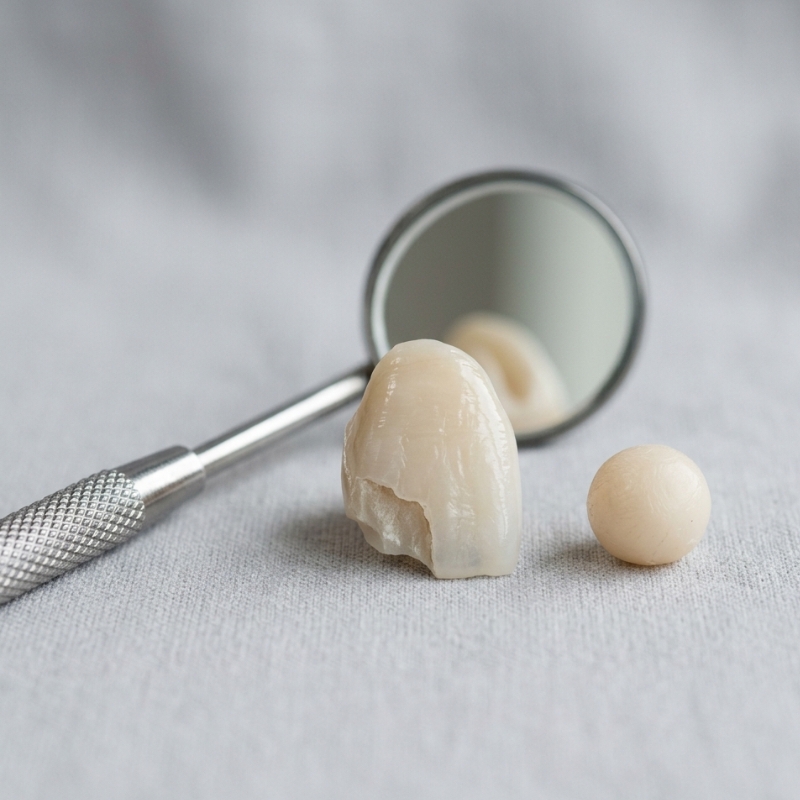
A chipped or broken tooth can go from “annoying” to “serious” surprisingly fast, and in some cases, it can become a dental emergency. The goal today is simple: protect the tooth, reduce irritation, keep the area clean, and avoid the common mistakes that turn a small chip into a bigger fracture, deeper pain, or infection.
This guide is practical, Sydney-friendly, and designed for real life: you’ve chipped a tooth at lunch, on the weekend, during sport, or late at night. You’ll learn what to do in the first hour, what to do over the next 24–48 hours, and when it’s no longer a “wait and see” situation.
First: work out what you’re dealing with
Not every “broken tooth” is the same. A tiny enamel chip is managed very differently from a deeper break that exposes dentine or, worse, the nerve (pulp).
Chipped tooth (often enamel only)
Common signs:
• A small missing corner or rough edge
• No pain, or mild sensitivity to cold/air
• Tooth looks mostly intact
Risk if ignored: the edge can keep chipping, irritate your tongue/cheek, or develop sensitivity if the chip is deeper than it looks.
Cracked tooth (a split you may not see)
Common signs:
• Pain when biting down, or on release
• “Zing” with cold drinks that linger
• You can’t pinpoint the exact tooth easily
• Bite feels “off” even though the tooth looks fine
Risk if ignored: cracks can propagate with chewing or grinding and become a larger fracture.
Broken tooth (a larger fracture)
Common signs:
• A visible chunk is missing
• Sharp edge cutting your tongue/cheek
• Moderate to severe sensitivity
• Gum bleeding around the tooth after trauma
• Pain that escalates with temperature or pressure
Risk if ignored: deeper exposure increases the chance of infection and more extensive treatment later.
Signs it might be deep (dentine or pulp exposure)
If you notice any of the following, treat it as higher risk:
• Significant sensitivity to air/cold that lingers
• Throbbing pain, especially at night
• Visible darker/yellow layer (dentine) or a pink/red spot (possible pulp)
• Swelling, a “pimple” on the gum, bad taste, or fever
• The tooth feels loose or your bite has changed after an impact
What to do in the first hour
Think “clean, calm, cover, and control.”
1) Rinse gently (don’t scrub)
- Rinse with lukewarm water to remove debris
- If there’s blood, use gentle pressure with clean gauze or a clean cloth
Avoid vigorous swishing if you’ve had a hard knock or your gums are torn—gentle is better.
2) If there’s bleeding, apply pressure
- Bite down on gauze for 10 minutes
- If bleeding is heavy or won’t stop, that’s not a dental DIY situation—seek urgent medical help
3) Use a cold compress for swelling and pain
- Apply a cold pack to the cheek (10 minutes on, 10 minutes off)
- This can reduce swelling and dull pain without irritating the tooth
4) Protect sharp edges so you don’t keep injuring your mouth
A jagged edge can slice your tongue and cheek over and over, making eating and talking miserable.
Options that can help temporarily:
• Dental wax (often sold in pharmacies; also used for braces)
• Sugar-free chewing gum (as a very short-term cover)
• A small piece of gauze tucked between tooth and cheek if needed
What not to use:
• Superglue or “DIY glue” (dangerous and not designed for oral tissue)
• Random putties not intended for oral use
• Anything that sets hard and could wedge into the break
5) Save any broken piece (if you can)
If you can find the fragment:
• Rinse it gently (don’t scrub)
• Keep it moist (a clean container with saliva, milk, or saline is better than letting it dry out)
• Bring it with you if you’re getting it assessed
Even if it can’t be reattached, it can help a clinician understand how the tooth fractured.
6) Pain relief: keep it safe
If you’re able to take over-the-counter pain relief, follow the label directions and your pharmacist’s advice (especially if you have medical conditions or take other medications).
Avoid:
• Putting painkillers directly on the gum/tooth (this can burn tissue)
• Repeatedly “testing” the tooth by biting hard to see if it still hurts
If you want a general triage reference for dental injuries and when to seek urgent care, Australia’s government-backed health advice is a useful guide: Dental injury guidance.
What to avoid today (this is where people make it worse)
These are the biggest “chip becomes crack becomes break” triggers:
• Chewing on the damaged side (even “just a little”)
• Hard foods: nuts, crusty bread, lollies, ice, popcorn kernels
• Sticky foods that pull: toffee, chewing gum all day
• Very hot/cold drinks if you have sensitivity
• Using the tooth as a tool (opening packets, biting nails)
• Grinding/clenching (often happens unconsciously at night)
• DIY repairs with household adhesives
If you have a night grinder habit and you chip teeth more than once, that’s a clue that the bite forces are part of the story—not just “bad luck.”
What to eat and drink for the next 24–48 hours
A damaged tooth needs a gentle “diet” so the fracture doesn’t worsen.
Choose:
• Soft foods: yoghurt, eggs, pasta, soups (not scalding), fish, mashed veg
• Cut foods into small pieces and chew on the other side
• Lukewarm water rather than ice-cold drinks if you’re sensitive
Avoid:
• Crunchy snacks
• Hard crusts
• Seeds and kernels
• Very sugary frequent snacking (can increase irritation and risk of decay around the break)
Quick kitchen rule
If you wouldn’t comfortably bite it with your front teeth on a normal day, don’t use a compromised tooth to do it now.
How to clean your mouth without aggravating the tooth
Keeping it clean reduces inflammation and lowers the risk of infection—especially if the tooth is chipped near the gumline.
Do:
• Brush gently with a soft brush
• Clean around the tooth carefully (don’t jab the brush into the fracture)
• If flossing is painful, don’t force it through a tight contact; slide it gently and remove carefully
If the gum is sore:
• Rinse with warm salty water (a simple mix of salt in warm water) after meals
• Avoid aggressive swishing if it increases pain
Q&A: “My tooth is chipped but it doesn’t hurt — can I ignore it?”
If it truly doesn’t hurt, it may be a small enamel chip. But ignoring it can still lead to:
• A larger chip from chewing
• Constant tongue/cheek irritation
• Sensitivity developing over time
• Food trapping and decay around the rough area
A “no pain” chip is often a “still worth checking” situation—especially if the tooth edge is sharp, the chip is visible, or it happened after a knock (because cracks can hide).
How to tell if it’s getting worse
Use this simple daily check:
Worsening signs
• Pain increases over hours instead of settling
• Cold sensitivity starts lingering
• Biting becomes painful (especially bite-and-release pain)
• Gum swelling appears near the tooth
• Bad taste or discharge (possible infection)
• You develop a fever or feel unwell
• The tooth becomes loose
• Your bite changes or the tooth feels “higher” than before
If you’re seeing these, don’t keep waiting for it to “settle.”
Q&A: “Can a chipped tooth turn into a dental emergency?”
Yes. The most common ways are:
• A crack spreads under chewing force
• The tooth nerve becomes exposed
• Infection develops (especially if there’s serious damage)
• Swelling escalates and becomes medically concerning
If you’re worried it’s tipping into a dental emergency in Sydney scenario—especially with swelling, fever, increasing pain, or trauma—treat it as urgent and get appropriate care.
Special situations
If the chip happened during sport (footy, netball, basketball)
• Check for cuts inside the mouth and lip swelling
• Look for a “bite change” after impact
• Consider that the tooth may be cracked even if the chip looks small
Prevention for next time:
• A properly fitted mouthguard significantly reduces tooth injuries in contact sports
If a child chips a tooth
• Baby teeth and adult teeth are managed differently
• A small chip may look minor, but still needs assessment—especially if the tooth has darkened, the child avoids chewing, or there’s gum swelling
If there was a hard knock to the mouth, also keep an eye out for:
• Drowsiness, vomiting, confusion (head injury signs)
• Severe facial swelling or uncontrolled bleeding
Those are medical red flags—seek medical care.
If the tooth is already heavily filled or crowned
Teeth with large fillings can fracture more easily because there’s less natural tooth structure supporting them. If you’ve broken the tooth around an old filling or under a crown, avoid chewing on it—these fractures can spread.
What you can do tonight if it happens after hours
If it’s late and you can’t be seen immediately, focus on stabilising:
• Keep it clean (gentle brushing, warm salty rinses after meals)
• Cover sharp edges with dental wax
• Stick to soft foods and chew away from it
• Use a cold compress for swelling
• Avoid alcohol-based mouthwashes if the tissue is irritated
• Don’t “test” the tooth by biting down repeatedly
If you’d like general guidance on your next steps, you can also speak with a dental professional to understand what’s safest based on your symptoms.
Q&A: “Should I go to the hospital for a broken tooth?”
Go to the ED (or call 000) if you have:
• Difficulty breathing or swallowing
• Rapidly spreading facial swelling
• Heavy bleeding that won’t stop
• Signs of a serious head injury after facial trauma
• High fever with facial swelling (especially if you feel very unwell)
For most chipped/broken teeth without those medical red flags, dental assessment is the right pathway—but don’t delay if pain and swelling are escalating.
How to reduce the chance it happens again
Once the immediate situation is stable, prevention matters—because repeat chipping often has a “why” behind it.
Common causes
• Grinding/clenching (especially during stress or sleep)
• Biting hard foods (ice, hard lollies, popcorn kernels)
• Trauma (sport, falls, accidents)
• Weak tooth structure (large fillings, untreated decay)
• Uneven bite forces
Prevention habits that genuinely help
• Use a mouthguard for contact sports
• Don’t chew ice (it’s one of the most common “mystery chip” culprits)
• Treat sensitivity early (it can be an early warning sign of cracks/decay)
• Manage clenching: stress reduction, jaw relaxation habits, and professional advice if it’s frequent
• Address old fillings that are breaking down (they can act like wedges)
Final FAQ
How long can I leave a chipped tooth?
It depends on depth and symptoms. A tiny enamel chip without pain is often less urgent, but if you have sensitivity, sharp edges, bite pain, swelling, or the chip happened after trauma, it’s safer to be assessed sooner rather than later.
Can I put a temporary filling kit on a chipped tooth?
Temporary dental repair kits can sometimes help as a very short-term cover for roughness, but they’re not a long-term fix and can trap bacteria if used incorrectly. If you use one, follow directions carefully and keep the area clean.
Why does it hurt more at night?
Night pain can be linked to inflammation, clenching/grinding, and changes in blood flow when you lie down. If pain is escalating at night or becoming throbbing, treat that as a warning sign.
What if the tooth looks fine but hurts when I bite?
That pattern can suggest a crack. Avoid chewing on it and don’t keep “testing” it—repeated pressure can worsen the crack.
Should I brush the chipped tooth or avoid it?
Brush gently. Keeping the area clean is important, but don’t scrub aggressively over the fractured edge.
What should I do if I think an infection is starting?
Signs include swelling, a bad taste, a gum boil/pimple near the tooth, fever, or increasing pain. Use the medical red flags above as your guide and seek prompt care.
Is it okay to wait if I’m not in pain?
Sometimes, but waiting isn’t risk-free. Chips can grow, cracks can spread, and minor sensitivity can turn into major pain. If you’re unsure, err on the side of assessment.
Where can I get help if I’m worried it’s urgent?
If you’re concerned it’s becoming urgent, getting dental emergency help (especially when symptoms are worsening) is the sensible next step.

