
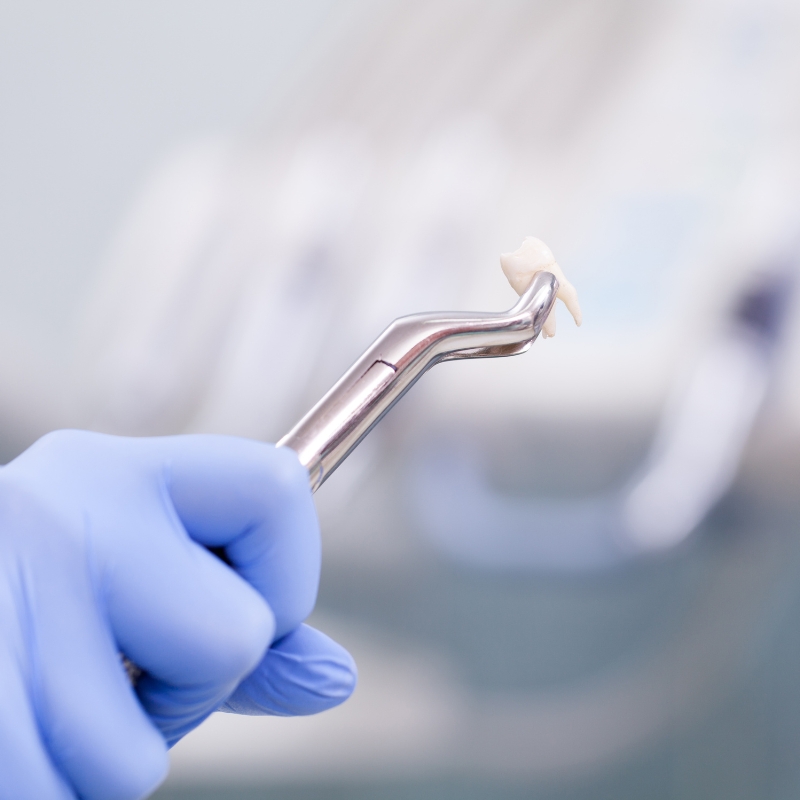
A dull nagging ache can often wait for your next routine check-up, but some types of tooth pain need swift professional care to prevent infection, tooth loss or even a hospital visit. Knowing the difference matters. In this guide, we explain the red-flag symptoms that suggest you should call your dentist straight away, the self-care steps that are usually safe to try at home, and when a tooth extraction service may be the only realistic next step. While every smile is different, the tips below will help Sydney patients decide whether it’s time to act now or monitor carefully.
1. Why Tooth Pain Happens: Common Causes vs Urgent Triggers
Toothache is your body’s alarm system. Minor, short-lived sensitivity after an icy drink can stem from exposed dentine or recent whitening, whereas deep, lingering pain may point to an infection inside the tooth. Understanding the usual culprits makes it easier to spot when things have stepped up a gear.
Common Everyday Causes
• Early decay that has not yet hit the nerve
• Temporary gum irritation from hard brushing or a new flossing technique
• Bite pressure on a popcorn hull or similar food particle wedged between teeth
• Mild sinus congestion pressing on upper back teeth
Red-Flag Urgent Causes
• Pulpitis (inflamed tooth nerve) or an abscess
• Cracked or fractured tooth from a sporting knock
• Large cavity reaching the nerve chamber
• Impacted wisdom tooth creating pressure and infection risk
• Post-operative dry socket after an extraction
Sydney’s humid summers can worsen infections because bacteria thrive in warm, moist environments. If pain worsens on hot days or you notice facial swelling, move to the next section and arrange urgent care.
2. Tooth Pain Triage: Minor, Concerning or Emergency?
The table below summarises how dentists generally triage toothache during a phone call. Use it as a reference, not a diagnostic tool.
| Symptom or Sign | Likely Severity | Typical Next Step | Watch-Outs |
| Brief zing of sensitivity to cold, disappears in seconds | Usually minor | Desensitising toothpaste, monitor | If pain lingers or spreads, reassess |
| Dull ache only when chewing hard foods | Concerning | See a dentist within a week | Could be cracked tooth syndrome |
| Spontaneous throbbing that wakes you at night | Emergency likely | Same-day appointment | Often indicates nerve inflammation |
| Swelling of cheek or jaw, warmth, foul taste | Definite emergency | Same-day visit, antibiotics often needed | Infection can spread to airway |
| Fever above 38 °C with tooth pain | Medical emergency | Contact the dentist or hospital immediately | Risk of systemic infection |
| Bleeding socket 24 h after extraction | Emergency | Return to the dentist immediately | Could signal dry socket |
Even if your pain seems minor, see a dentist promptly if you have a medical condition that affects healing, such as diabetes, or if you are undergoing chemotherapy.
3. Home Pain Relief: What’s Usually Safe (and What Isn’t)
While waiting for your appointment, these measures can reduce discomfort without masking important symptoms.
Usually Safe
• Rinse gently with warm salty water every two hours to reduce bacteria
• Take over-the-counter ibuprofen or paracetamol as directed on the packet (if no contraindications)
• Apply a cold compress to the cheek for 10 minutes on, 10 minutes off to limit swelling
• Stick to soft foods at room temperature to prevent additional irritation
Avoid If You Can
• Putting aspirin directly on the gum—this can cause chemical burns
• Repeatedly applying clove oil; it can damage tissue if too concentrated
• Using an old silver filling as an excuse to delay seeing a dentist; cracked amalgam leaks bacteria
• Drinking alcohol to deaden pain—it may worsen bleeding and interact with medication
If symptoms improve but then flare up again within days, your underlying problem remains unsolved.
4. Five Emergency Warning Signs You Shouldn’t Ignore
- Rapidly expanding facial swelling, especially if it impairs jaw opening
- Throbbing pain that intensifies when lying down
- Visible pus or a pimple on the gum near the painful tooth
- Numbness or tingling in the chin or lower lip (can signal nerve pressure)
- Difficulty swallowing or breathing—this is a medical emergency; call 000
Local Insight: After-Hours Options in Sydney
Many public hospitals, including Royal North Shore and Westmead, operate emergency departments that can provide initial antibiotics or pain relief overnight. However, they will usually advise you to see a dentist the next day for definitive care. Keep Marsfield’s after-hours dental number saved in your phone so you’re not searching at 2 am.
5. When Extraction Becomes the Safer Path
Modern dentistry favours saving natural teeth wherever possible, but some circumstances leave removal as the most predictable solution. These include:
• Fractures splitting the tooth root vertically
• Advanced decay under the gum that cannot be cleaned out
• Recurrent infection in a previously root-treated tooth that will not resolve
• Severe crowding where orthodontic treatment requires space
• Impacted wisdom teeth causing damage to neighbouring molars
A timely extraction can stop infection from spreading to bone or adjacent teeth. Waiting too long may lead to surgery under general anaesthesia instead of a straightforward local extraction.
6. Typical Emergency Visit Flow at Marsfield
Knowing what to expect can ease nerves:
- Brief phone triage to confirm urgency and gather medical history
- Digital X-ray to assess decay depth, fracture lines or abscess location
- Pain management—local anaesthetic or temporary dressing
- Discussion of treatment choices (filling, root therapy, or extraction)
- Immediate treatment if feasible or follow-up booking with antibiotics issued
Patients taking blood thinners should mention this during the phone call so suitable measures can be prepared.
7. What Affects the Complexity of the Job?
Complexity varies more than cost. These factors influence whether your dentist can fix the problem the same day or needs a referral:
• Position—back molars are harder to access
• Mouth opening—limited jaw movement complicates treatment
• Severity—deep fractures often need surgical extraction
• Infection—pus can reduce anaesthetic effectiveness, requiring additional techniques
• Existing restorations—crowns or large fillings may hide cracks and increase chair time
Understanding these variables helps set realistic expectations and avoid surprise referrals.
8. Mistakes to Avoid When Tooth Pain Strikes
• Waiting for antibiotics from a GP instead of seeing a dentist—antibiotics alone rarely fix the source
• Using social media “hacks” like garlic paste, which can burn gums
• Skipping your prescription because pain seems to settle; infection can flare overnight
• Chewing on the opposite side only—imbalanced chewing can strain the jaw joints
• Cancelling your appointment once pain subsides; many dental infections relapse within weeks
9. Questions Worth Asking Your Dentist
• Will an X-ray show the full extent of the problem, or do I need a 3D scan?
• If root canal is an option, how many visits will it take and what’s the success rate?
• What are the risks if I delay treatment by a week?
• Could this tooth be saved with a crown instead of extraction?
• Do I need to pause any of my regular medications before treatment?
Taking a written list of your questions and symptoms can help you remember important details when nerves are high. For more practical advice, read our guide on how dental anxiety can affect your oral health and ongoing dental care.
10. Frequently Asked Questions
1. Can a toothache go away on its own?
Sometimes a mild, surface-level irritation settles as the gum heals, but deep decay or infection rarely resolves without treatment. If pain subsides suddenly after intense throbbing, the nerve may have died—a temporary reprieve that often precedes an abscess. Book an exam even if the ache eases.
2. How soon should I see a dentist for sharp pain when biting?
Sharp “zing” pain on biting can indicate a cracked tooth. Early assessment within a few days allows a dentist to place a protective crown before the crack spreads. Delaying could lead to nerve exposure and the need for root therapy or extraction.
3. Is it safe to take both ibuprofen and paracetamol for tooth pain?
In most healthy adults, alternating the two medications can provide stronger relief than either alone. However, always follow the dosage on each packet and check with your GP or pharmacist if you have kidney, liver, stomach or blood-pressure concerns.
4. What is a dry socket and how do I avoid it?
Dry socket occurs when the blood clot protecting an extraction site dissolves or dislodges, exposing bone and nerves. It is more common in lower molars, smokers and oral contraceptive users. Avoid vigorous rinsing, drinking through straws and smoking for 48 hours after extraction to lower the risk.
5. Should I go to the hospital for dental pain?
Most toothaches are best managed by a dentist, but head straight to the hospital if you have swelling affecting breathing or swallowing, high fever, or trauma causing uncontrollable bleeding. Emergency departments can start antibiotics and stabilise you before definitive dental care.
Final Thoughts
Tooth pain ranges from mildly annoying to genuinely dangerous. Use the signs above to decide whether paracetamol and a prompt check-up will do, or whether you need the phone in your hand right now. When in doubt, call—acting early can mean the difference between a simple filling and an extraction.

