
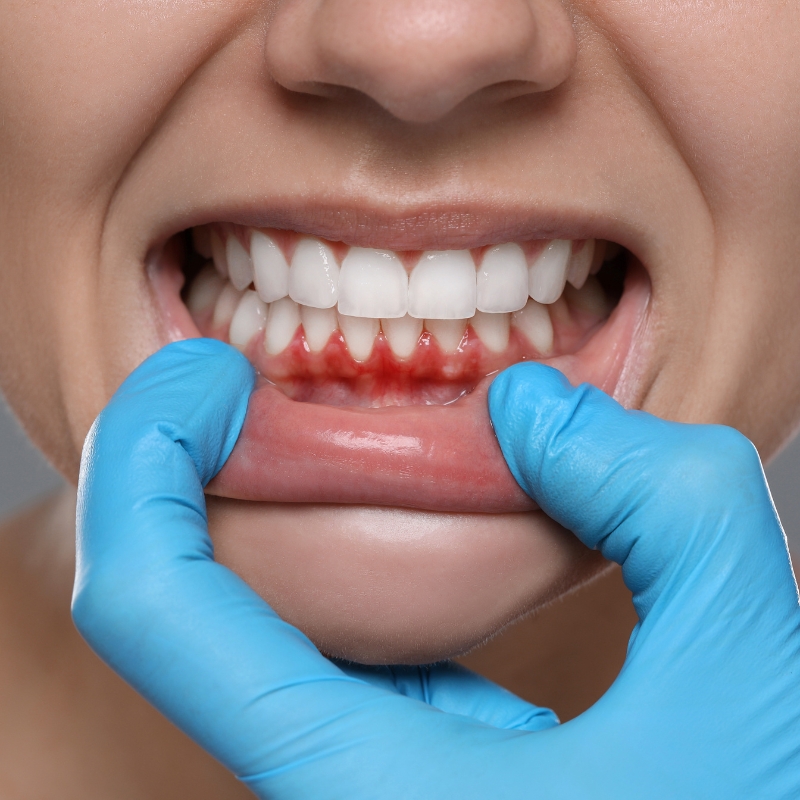
Not many things jolt you awake like spotting bright red in the sink after brushing. One drop of blood can make you wonder whether you need dental emergency care right now or if tomorrow’s routine will be fine. In Sydney, where most of us juggle long commutes and busy weekends, that decision often comes down to understanding why gums bleed, how long it lasts and what other signs tag along. This guide breaks down the common causes, the red flags and the simple actions that keep a small issue from snowballing into an after-hours dash to the dentist.
Why Do Gums Bleed in the First Place?
Bleeding is a message, not a diagnosis. Your gums are highly vascular—packed with tiny blood vessels—so even mild irritation can look dramatic.
Everyday Triggers You Can Usually Tame at Home
• Brushing too hard, especially with a brand-new medium or hard-bristle brush
• Starting flossing after a long hiatus—the gum margin is tender and inflamed from plaque build-up
• Crunchy baguettes, popcorn hulls or muesli scratching the gum tissue
• Mild hormonal changes, including monthly cycles, that can temporarily heighten gum sensitivity
• A new electric toothbrush setting hitting the gum line at a sharper angle than you’re used to
These situations often calm down in a day or two once the irritant is removed or your technique softens.
Underlying Conditions That Deserve a Closer Look
- Gingivitis – early gum inflammation from plaque sitting too long
- Periodontitis – a deeper infection that can threaten the bone around teeth
- Vitamin C or K deficiencies – rare but still seen in restrictive diets
- Blood-thinning medications – warfarin, some herbal blends, even regular high-dose fish oil
- Pregnancy gingivitis – dramatic hormonal shifts widen tiny vessels, making them bleed more easily
When bleeding ties in with swollen, dusky-red gums or persistent bad breath, it’s a nudge to see your dentist sooner rather than later.
When a Little Blood Becomes a Big Problem
A single pink streak may not be an alarm, but patterns matter. Ask yourself:
• Does it happen every time you brush, no matter how gently?
• Are your gums puffy or pulling away from teeth?
• Is there a metallic taste, pus, or a wobbly tooth tagging along?
• Do you notice facial swelling or fever?
According to HealthDirect Australia, persistent gum bleeding combined with loosening teeth or swelling can be a sign of advanced periodontal disease or systemic illness that needs professional care—sometimes promptly.
Watch the Clock
• Bleeding that stops within a minute after gentle pressure is usually low-risk.
• Oozing that continues beyond 10 minutes, especially after minor trauma, is worth a same-day call.
• Uncontrolled bleeding (doesn’t slow, pools, or soaks through tissue) justifies urgent dental or even medical attention.
Quick At-Home Steps to Calm the Bleeding
- Rinse gently with lukewarm salty water (one teaspoon salt in a glass) to soothe tissues.
- Apply light pressure with clean gauze or a folded tissue for two to three minutes.
- Swap to a soft-bristle or extra-soft brush and use a gentle circular motion.
- Pause alcohol-based mouthwash—it can dry tissues and slow healing.
- Skip aspirin unless prescribed; it thins blood and can prolong minor bleeding.
What NOT to Do
• Don’t apply aspirin directly to gums—it’s acidic and burns tissue.
• Don’t self-prescribe leftover antibiotics; mismatched medications mask symptoms, not causes.
• Avoid extremes of hot or icy drinks until the area calms.
Compare Your Next Step
Below is a quick reference to help you decide whether monitoring, a routine booking or an urgent call suits your situation:
| Situation | Likely Cause | Suggested Action |
| Speck of blood after switching to floss | Gum adapting to a new habit | Keep flossing gently, review in a week |
| Bleeding every brush, no pain | Possible gingivitis | Book a routine check within 1–2 weeks |
| Bleeding, bad taste, and swelling | Potential infection | Phone dentist within 24 h |
| Bleeding after a sports knock, tooth feels loose | Trauma | Seek a same-day emergency appointment |
| Continuous bleeding >10 min, dizziness | Uncontrolled bleeding / systemic issue | Attend the emergency department or an on-call dentist immediately |
A table is a guide, not a verdict. When in doubt, phone your dental practice—five minutes of professional advice saves hours of Google worry.
Sydney-Specific Factors That May Influence Gum Health
• Fluoridated tap water: Sydney Water supplies fluoride at safe levels that help enamel resilience, but bottled-water devotees may miss out—raising decay risk and, by extension, gum irritation.
• Trendy high-acid diets: Green juices and kombucha bars are everywhere from Marrickville to Manly. Acid softens enamel edges, roughening the gum line and making it easier to bleed.
• Seasonal allergies: Spring wattle bloom prompts mouth-breathing at night, drying gums and promoting inflammation.
• Outdoor lifestyles: From Bondi surf to Parramatta Park runs, wind and sun dehydrate tissues—drink more water than you think you need.
Prevention Habits Your Future Self Will Thank You For
Regular habits trump occasional heroics.
• Brush twice daily with a pea-sized fluoride paste, angling 45° into the gum line.
• Floss or use interdental brushes nightly—Sydney cafés shut late, but plaque never sleeps.
• Snack smart: swap sticky muesli bars for crunchy veg sticks that self-clean while you chew.
• Schedule a six-monthly scale and clean—minor plaque turns into tartar in as little as 48 hours.
•Want to learn more? Read Early Signs of Gum Disease You Can Spot at Home for practical tips on recognising early symptoms, maintaining good oral health and helping prevent gum disease before it progresses.
Common Mistakes to Avoid When You Spot Blood
• Brushing harder to “scrub it out” (adds trauma)
• Swapping to charcoal pastes—abrasive and often non-fluoridated
• Delaying professional visits because “it doesn’t hurt” (gum disease is often painless)
• Rinsing straight after brushing—spits out fluoride before it works
• Relying solely on mouthwash instead of mechanical cleaning
Frequently Asked Questions
1. Should I stop flossing if my gums bleed?
No. Bleeding when you resume flossing is often your gums protesting against lingering plaque. Continue gently; bleeding usually settles within a week. If it worsens, book an examination.
2. Is gum bleeding during pregnancy normal?
Mild bleeding can be common because pregnancy hormones widen blood vessels. However, infection risk also rises, so routine dental check-ups are still crucial.
3. Can iron deficiency make gums bleed?
Iron plays a role in tissue repair. Low levels may contribute to gum fragility, but bleeding alone is rarely the only sign. A blood test via your GP can confirm.
4. My gums only bleed at night—why?
Nocturnal mouth-breathing, sinus congestion or grinding can irritate gums. A dental night-guard or ENT review may help if the problem persists.
5. What if I’m on blood thinners?
Inform your dentist at every visit. Minor bleeding is expected, but uncontrolled or spontaneous gum bleeding should prompt a medical review to fine-tune medication levels.
Final Thoughts
Bleeding gums are your body’s heads-up, not a horror movie scene. When the bleed is occasional and linked to a clear trigger, simple technique tweaks usually settle it. Patterns, pain, swelling or looseness, on the other hand, deserve prompt attention. If you’re ever on the fence, a quick call to your dentist beats late-night guesswork. Healthy gums don’t just protect your smile—they look after your overall wellbeing too.

