
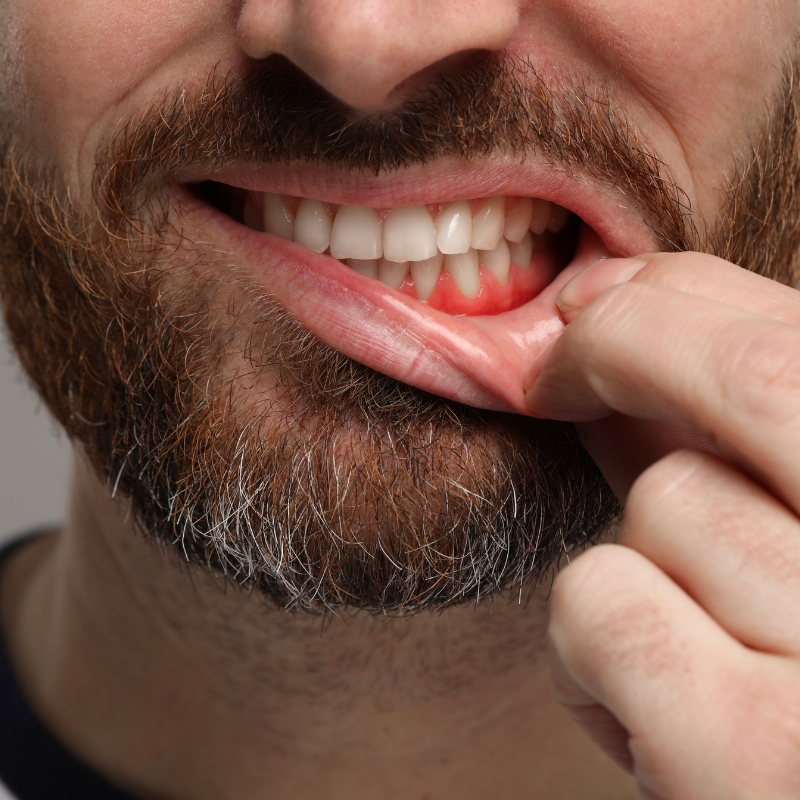
You do not need a mirror the size of the Sydney Harbour Bridge to notice the first whispers of gum disease. In most cases, your toothbrush, a glass of water and a little curiosity are enough to catch the early red flags. Acting on these signals quickly can prevent a manageable case of gingivitis from progressing to periodontitis, bone loss or even tooth loss. Straightforward daily checks also mean you can schedule a routine dental appointment before discomfort, swollen gums or loose teeth interrupt your workday, weekend sport or family plans.
Below, we explain what healthy gums should look and feel like, common at-home warning signs, mistakes many Aussies make when self-assessing, and how local factors such as Sydney’s hard water and allergy season can inflame gum problems. Use this guide to decide whether a change in brushing habits, a short monitoring period or a professional examination is the wisest next move.
Why Catching Gum Disease Early Matters
Gum disease rarely starts with sudden pain. The early stage, known as gingivitis, can be almost silent. Yet below the surface, plaque bacteria are working overtime. Left unchecked, they trigger:
• Chronic inflammation that erodes the fibres anchoring each tooth
• Pocket formation where more bacteria hide out of brush or floss reach
• Recession that exposes sensitive root surfaces
• Higher risk of systemic conditions such as diabetes complications and heart disease, according to large cohort studies cited by the Australian Dental Association
Treating established periodontitis in Sydney often involves multiple deep cleans, possible antibiotics and, in advanced cases, surgery by a periodontist. Early detection typically allows:
• A standard scale and a clean to remove plaque and tartar
• Targeted oral-hygiene tweaks instead of invasive procedures
• Faster, less costly appointments
• Less disruption to daily life and work schedules
In short, spotting gingivitis before it morphs into periodontitis can save gums, teeth, time and money.
What Healthy Gums Should Look, Feel and Smell Like
Before spotting trouble, it helps to know your baseline. Healthy gums are:
• Coral-pink or naturally darker for people with more melanin
• Firm, not puffy
• Shaped like a tight collar around each tooth
• Non-tender when you brush or floss
• Free from persistent odour
If you press gently with a clean finger, healthy gum tissue should spring back rather than stay indented. Breathing through your nose should not release a strong smell. Understanding these normal markers makes any changes stand out faster.
Quick At-Home Baseline Check
- Brush and floss as you normally would.
- Spit into the basin and look for streaks of pink or red.
- Use a handheld mirror under a bright bathroom light to inspect gum edges.
- Note any puffiness, colour change or shiny appearance.
- Sniff your floss after use. Persistent bad odour can be an early infection clue.
Do this once a month, so small changes do not slip past unnoticed.
Seven Early Gum Disease Signs You Can Spot Yourself
The following indicators do not confirm periodontitis on their own, but they do mean your gums need extra attention.
1. Bleeding When Brushing or Flossing
A single speck of blood after vigorous flossing may simply be a technique. Regular bleeding, however, signals inflamed capillaries close to the surface. Increasing flossing frequency gently for a week can sometimes resolve light bleeding. If it persists, professional cleaning is often needed.
2. Persistent Morning Breath
Morning breath happens to everyone. When the odour lingers after brushing and tongue scraping, sulphur-producing bacteria may be living below the gumline. Because mouthwash can mask smells without removing plaque, it should never replace cleaning.
3. Swollen or Puffy Gum Margins
Slight swelling along one tooth might follow a popcorn husk stuck overnight. General puffiness across several teeth suggests inflammation. Compare the size and texture on both sides of the mouth; symmetry usually means a systemic gum issue rather than local trauma.
4. Darker or Redder Gum Colour
Healthy gums match the inside of your lip. Early gingivitis often turns the collar around the teeth a deeper red. Smokers should be extra vigilant because nicotine reduces blood flow, hiding classic colour changes until damage is advanced.
5. Sensitive or Itchy Gums
An itchy feeling along the gumline, especially when eating spicy foods, can be the first tactile sign of bacterial irritation. Sensitivity to cold drinks may also occur as gum tissue thins.
6. Receding Gumline That Reveals More Tooth Surface
Subtle recession shows as teeth that look slightly longer or triangular spaces forming between them. Early recession can be stabilised with improved cleaning; advanced recession requires clinical intervention.
7. Change in Tooth Position or Bite Feel
As periodontal support weakens, teeth can drift, creating a new gap or a slight change in how upper and lower teeth meet. If your bite suddenly feels off, gum and bone support may already be compromised.
Mild vs Concerning Signs: What to Do Next
The table below summarises common observations and a practical next step.
| Situation | Possible Meaning | Suggested Action |
| Light bleeding when flossing for the first time in weeks | Local irritation, plaque build-up | Floss daily for a week, then re-check. Book a check-up if bleeding continues. |
| Puffy, red gums around several teeth | Early gingivitis | Schedule a professional clean within the month. |
| Morning breath that mouthwash cannot mask | Bacteria under the gumline | Arrange a dental assessment soon to prevent progression. |
| Gum recession on one tooth, but no pain | Aggressive brushing or local trauma | Use a soft-bristle brush and gentler technique. Monitor for two weeks, then review. |
| Teeth feel slightly loose, or the bite has changed | Possible periodontitis or bone loss | Book a comprehensive periodontal exam as soon as possible. |
Table created for quick home reference. A dentist’s clinical exam is essential for diagnosis.
What Not to Do When You Spot Early Signs
Over the years, we have seen well-intentioned Sydney patients worsen mild gum issues through DIY fixes. Common missteps include:
• Swapping to harsh whitening toothpaste to “scrub away” plaque – the abrasion can accelerate recession.
• Rinsing with undiluted hydrogen peroxide or bicarb soda daily – this disrupts oral pH and can irritate tissue.
• Skipping floss because “it makes gums bleed” – gentle daily flossing is what heals bleeding, not avoids it.
• Ignoring changes because there is no pain – gums can deteriorate quietly for months before hurting.
Recognising these pitfalls early protects your oral health and your wallet.
Sydney-Specific Factors That Can Aggravate Gum Problems
Living in NSW’s capital comes with unique oral-health triggers:
• Harder Water in Many Suburbs: Extra minerals can leave more scale on taps and similarly encourage calculus (tartar) to form faster on teeth. Regular professional cleans are crucial.
• Peak Hay-Fever Season (August–October): Mouth-breathing when nasal passages are blocked dries gums, reducing protective saliva flow. Keep water handy and consider sugar-free gum to stimulate saliva.
• Café Culture and Multiple Daily Coffees: Frequent sips without water rinses create longer acidic periods, feeding plaque bacteria. Alternate with plain water where possible.
• Busy Commutes: Long workdays on trains or in traffic make skipping evening floss tempting. Keep interdental brushes at the office for a quick post-lunch clean.
Being aware of how lifestyle and environment influence gum health helps you tailor prevention strategies.
DIY Care vs Professional Periodontal Assessment
A good electric toothbrush, gentle floss or interdental brushes, and a fluoride toothpaste go a long way. Yet at some point, professional support stops problems from snowballing.
| Action You Can Take at Home | When Professional Input Becomes Safer |
| Switch to a soft-bristle brush and refine the technique | Bleeding continues after two weeks of improved brushing |
| Add daily flossing or interdental brushes | Spaces between teeth feel deeper, or food traps worsen |
| Use alcohol-free antibacterial mouth rinse for 7–10 days | Bad breath or taste persists beyond that trial |
| Monitor mild recession and photograph monthly | Recession deepens, or the tooth becomes sensitive |
| Schedule a six-monthly scale and clean | The dentist recommends three-monthly cleans due to rapid tartar build-up |
If in doubt, err on the side of a check-up. Even a quick visit can confirm whether the issue is reversible gingivitis or something needing targeted periodontal therapy.
Further Reading for Deeper Insight
For a broader overview of causes, stages and modern treatment options, see our detailed explanation of gum disease, its causes and treatment. It expands on risk factors and clinical procedures touched on briefly here.
Frequently Asked Questions
1. Can gum disease reverse on its own?
Early gingivitis can resolve with consistent brushing, flossing and professional cleaning. Once bone loss occurs, however, only professional periodontal treatment can halt progression; lost bone rarely regenerates fully.
2. Does gum disease always cause pain?
No. Many people feel no discomfort until the disease is advanced. That is why watching for subtle visual changes and scheduling regular checks is vital.
3. Are bleeding gums during pregnancy normal?
Hormonal shifts can make gums more reactive, a condition called pregnancy gingivitis. While some increased bleeding is common, it should still be assessed to prevent escalation.
4. Is a mouthwash enough to treat early gum disease?
Mouthwash can reduce bacterial levels temporarily, but cannot remove established plaque or tartar. Mechanical cleaning, both at home and professionally, is necessary.
5. Where can I find trustworthy information about gum health?
Healthdirect Australia provides reader-friendly summaries reviewed by medical professionals. Their page on gum disease is a reliable starting point: Healthdirect.
Key Takeaways
• Bleeding, puffiness, colour changes and persistent bad breath are early gum-disease clues.
• Simple monthly self-checks help you notice problems before pain arrives.
• Sydney lifestyle factors such as hard water, allergy seasons and frequent café visits can accelerate plaque build-up.
• Home care matters, but lingering signs call for a professional scale and periodontal assessment sooner rather than later.
If your gums have been sending any of these subtle signals, booking a timely check rather than waiting for discomfort can make treatment quicker, gentler and far less invasive.

