
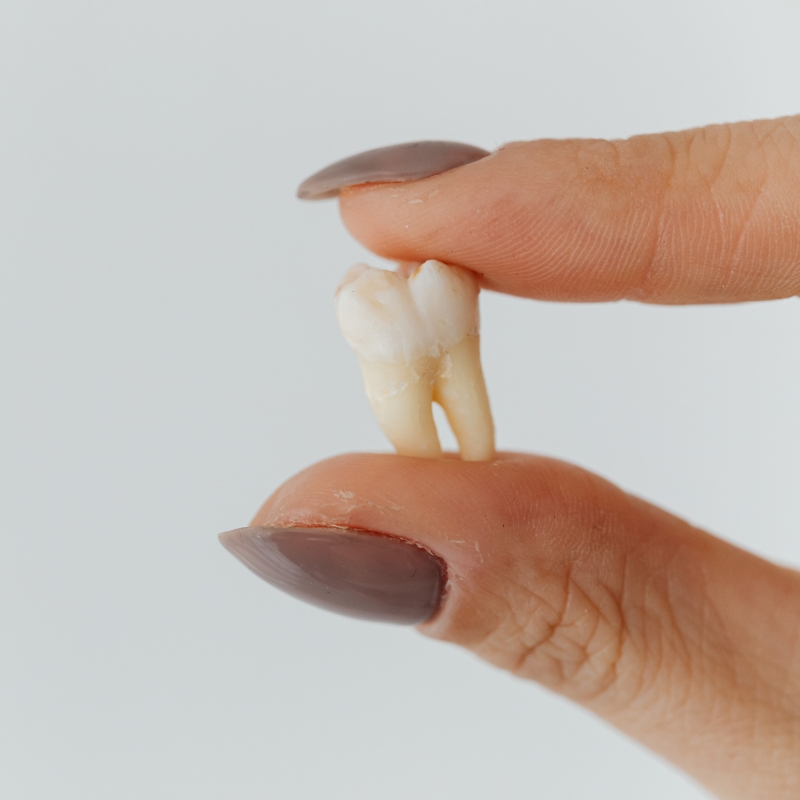
Most people expect mouth healing after a tooth extraction to be “quick”. And often it is. But sometimes the soreness lingers, swelling hangs around, or the area just doesn’t seem to settle the way you thought it would.
Delayed healing isn’t always a sign that something is “wrong” — the mouth is a busy environment (saliva, chewing, bacteria, temperature changes), and every person’s health and habits change the pace of recovery. The key is knowing what’s normal, what slows things down, and which signs mean you should call a dentist.
In this guide, you’ll learn the most common reasons oral healing takes longer, what you can do at home to support recovery, and how to recognise red flags early.
What “normal healing” usually looks like in the mouth
Different procedures heal differently (a small filling vs gum treatment vs a surgical procedure), but these patterns are common:
• First 24 hours: mild bleeding/oozing can happen; tenderness is expected; swelling may start
• Days 2–3: swelling often peaks; bruising may appear; discomfort can feel “achier”
• Days 4–7: swelling should gradually settle; pain should trend down, not up
• Week 2: most soft-tissue healing is well underway and things feel much more normal for many people
What matters most is the direction: you want to see a steady overall improvement, even if it’s not perfectly linear day to day.
Q&A: “Why does my mouth feel worse on day 2 or 3?”
That’s common. Inflammation from tissue disruption tends to build and peak after the first day. If pain and swelling start improving after that peak, it usually tracks with normal healing. If pain sharply worsens after initially improving, that’s when you should watch more closely.
The big reasons healing takes longer (and what to do about each)
1) The area is being irritated (often without you realising)
Small, repeated irritations can keep the tissue “stuck” in the inflammation phase.
Common culprits:
• chewing on that side
• crunchy foods (chips, crusty bread, nuts)
• fiddling with the area using your tongue or fingers
• vigorous spitting, rinsing, or using straws in the early phase
• returning to intense exercise too soon (in some cases)
What helps:
• keep food soft and easy to chew for a few days longer than you think you need
• rinse gently only when advised (and only after the first 24 hours for many procedures)
• avoid poking or “checking” the site — it delays the natural seal forming
2) The blood clot (or protective layer) is disrupted
For procedures that leave an open wound in the gum (like an extraction site), the initial protective layer is crucial. If it’s disturbed early, healing can slow and pain can spike.
This is where aftercare becomes everything. If you want a practical checklist, see tooth extraction aftercare tips.
What helps:
• avoid straws, smoking/vaping, and forceful mouth actions early on
• stick to soft, cool foods at first
• follow instructions exactly as given for rinsing and cleaning
Q&A: “Is it normal to see a white/yellow film?”
Often, yes. Healing tissue can look white or creamy as a fibrin layer forms — it isn’t automatically pus. The difference is usually the whole picture: worsening pain, increasing swelling, fever, or a bad taste/odour that’s getting stronger can signal infection and needs review.
3) Dry socket (a specific complication with a very recognisable pattern)
Dry socket is best known after extractions. The hallmark is often a noticeable increase in pain 1–3 days after the procedure, sometimes radiating toward the ear or jaw, and not responding well to typical pain relief.
If you suspect it, don’t wait it out — it’s treatable, but it’s miserable. A reliable overview of symptoms and prevention is on Healthdirect’s dry socket page.
What helps:
• get the site checked sooner rather than later
• avoid smoking/vaping and follow clot-protection instructions carefully
4) Infection or ongoing inflammation
Mouth wounds can become infected, or they can stay inflamed due to bacteria and food debris irritating the site.
Signs that lean toward infection:
• swelling that increases after day 3 rather than settling
• worsening pain (especially throbbing)
• persistent bad taste or bad breath that’s getting stronger
• discharge, or gum tissue that looks increasingly angry and hot
• fever, fatigue, or feeling generally unwell
What helps:
• keep the mouth clean with gentle brushing away from the sensitive area
• follow any saltwater rinse directions you were given
• seek review if symptoms are escalating (don’t self-prescribe antibiotics)
Q&A: “Can I just wait a few more days?”
If symptoms are clearly improving overall, waiting can be reasonable. But if you’re trending worse — more swelling, more pain, a new fever, or trouble opening your mouth — call a dentist. Early review is easier than late-stage complications.
5) Smoking or vaping slows oral healing (a lot)
Nicotine reduces blood flow and oxygen delivery to tissues, and the smoking action itself can disrupt healing sites. This is one of the most common reasons people heal more slowly than expected.
What helps:
• avoid smoking/vaping during the early healing window, your clinician recommends
• if quitting entirely feels too hard, even a short break can make a meaningful difference to wound stability
6) Certain health conditions slow wound repair
Some medical conditions affect circulation, immune function, and collagen formation — all essential for healing.
Common examples:
• diabetes (especially if blood sugar isn’t well controlled)
• autoimmune conditions
• anaemia or poor nutritional status
• conditions that reduce saliva flow (dry mouth)
• recent illness or high stress/sleep deprivation
What helps:
• be upfront about your health history (it changes aftercare planning)
• prioritise sleep, hydration, and protein
• if you have diabetes, focus on steady glucose control during healing
7) Medications can change bleeding, clotting, and inflammation
Some medications can increase bruising/bleeding or slow tissue repair, including:
• blood thinners or antiplatelet medications
• long-term corticosteroids
• some immune-modulating medications
• certain osteoporosis medications (in specific contexts)
This doesn’t mean something is wrong — it means healing may need closer monitoring.
What helps:
• follow your clinician’s instructions precisely (don’t stop prescribed meds unless your doctor tells you to)
• seek review if bleeding, pain, or swelling is not improving over time
A practical “support healing” plan for the first two weeks
These steps suit many common dental procedures. Always follow your own clinician’s instructions first.
Days 0–1
• rest more than you think you need
• keep foods soft and cool
• avoid straws, spitting forcefully, and vigorous rinsing
• Use pain relief only as directed and within label guidance
Days 2–3
• expect swelling to peak, then start to settle
• Keep the area clean with gentle brushing elsewhere in the mouth
• if advised, begin gentle rinsing (not aggressive swishing)
Days 4–7
• increase normal eating gradually, but avoid sharp/crunchy foods if the area is tender
• focus on hydration (Sydney’s dry indoor air and busy days can sneak up on you)
• prioritise sleep — wound healing is a whole-body process
Week 2
• you should usually feel noticeably closer to normal
• mild sensitivity can linger, but worsening symptoms are not typical
• if things still feel “stuck” or you’re worried, it’s reasonable to ask for a review
If you want a clear, step-by-step framework for what’s typical day-by-day, see the tooth extraction recovery timeline.
When slow healing is a concern (and when to call)
It’s easy to second-guess yourself. Use this as a simple decision guide.
Seek prompt dental advice if you notice:
• pain that suddenly worsens after initial improvement
• swelling that increases after day 3
• fever, chills, or feeling generally unwell
• worsening bad taste/odour or discharge
• difficulty opening your mouth, swallowing, or sleeping due to pain
• bleeding that doesn’t settle with the advice you were given
If any of that is happening, don’t tough it out — when to call a dentist after tooth extraction is a helpful benchmark to keep you out of the “wait and worry” loop.
Q&A: “What if it’s the weekend?”
If swelling is spreading, you have a fever, or swallowing/breathing feels affected, treat it as urgent. For milder concerns (pain trending up, bad taste, local swelling), a call for advice is still worthwhile — earlier intervention is usually simpler.
Why can two people have the same procedure and heal differently
Even with identical treatment, healing speed varies because of:
• baseline inflammation: gum disease or existing infection can slow recovery
• blood supply: circulation differs from person to person
• clot stability: habits like smoking or vigorous rinsing matter more than most people realise
• immune response: sleep, stress, and chronic conditions change inflammatory patterns
• nutrition: protein, vitamin C, and hydration help the repair process run smoothly
The goal isn’t “perfect healing” — it’s steady progress, and quick action when the pattern looks wrong.
FAQ
How long should mouth soreness last after dental work?
Mild soreness can last several days, and some tenderness can linger longer depending on the procedure. What matters is that pain trends down overall. If pain increases after improving, it’s worth calling a dentist.
Is swelling after dental work normal?
Yes, swelling is common and often peaks around days 2–3. It should gradually reduce after that. Worsening swelling after day 3 should be checked.
Why does pain sometimes feel worse at night?
Less distraction, a slightly different head position, and normal inflammatory rhythms can make symptoms feel stronger at night. If pain relief stops working or the pain is escalating, that’s a sign to seek advice.
What are the most common reasons healing is slow?
The biggest ones are irritation to the area, clot disruption (when relevant), smoking/vaping, infection, and underlying health conditions like diabetes.
How can I tell the difference between normal healing and infection?
Normal healing generally improves over time. Infection is more likely if pain and swelling are worsening, you develop fever, you notice increasing bad taste/odour, or swelling spreads.
Can I exercise while healing?
Light movement is usually fine, but intense exercise too soon can increase bleeding and swelling for some people. If you notice throbbing or renewed bleeding after activity, scale back and rest.
Should I brush near the area?
Clean teeth support healing, but be gentle near tender tissues. Brush the rest of your mouth normally and follow any specific instructions you were given for the procedure site.
When should I stop worrying and just get it checked?
If you’re not clearly improving by the end of the first week, or you’re getting worse at any point (especially after day 2–3), it’s reasonable to call.

