
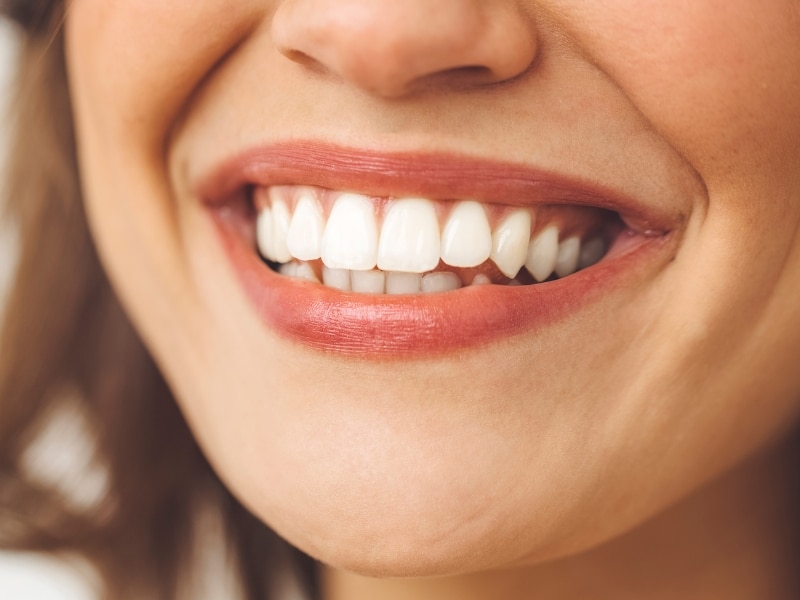
Smiles reveal personality, confidence and even mood, which is why people often ask which teeth cosmetic procedures look the most natural. The most natural-looking options are those that blend seamlessly with your teeth, complement your facial structure and enhance your features without calling attention to the work itself. Many patients want improvements that feel subtle rather than dramatic, respecting natural tooth texture, shade and proportion. This article explores how carefully selected techniques and sound planning create realistic, long-lasting results that avoid the “overdone” aesthetic and instead feel like a fresh version of your true smile.
Why do patients prefer natural-looking cosmetic results?
Patients prefer natural-looking cosmetic outcomes because these results preserve individuality and maintain harmony between the teeth, gums and facial features. People value cosmetic changes that express authenticity rather than perfection, and most want results that feel comfortable and believable in everyday situations. Here are the factors at play:
- Many patients feel more confident when cosmetic changes enhance natural characteristics rather than replacing them with uniform shapes or colours that appear unnatural.
- Subtle adjustments suit a wider range of expressions and lighting conditions, allowing the smile to behave authentically without drawing unwanted attention.
- Natural-looking cosmetic additions are easier to maintain because they preserve original tooth structure and work with existing anatomy rather than forcing new proportions.
- A natural smile appearance eliminates the risk of an artificial, overly bright shade that clashes with skin tone, age, or facial symmetry.
A key reason these preferences matter is that realistic results provide long-term comfort and confidence, especially when guided by balanced approaches such as general cosmetic dental solutions that prioritise natural harmony.
What causes some cosmetic teeth procedures to look artificial?
Artificial-looking results develop when materials, techniques or planning choices do not respect the way natural enamel, gum lines and shapes appear. Cosmetic work stands out when the colour is too bright, the translucency is wrong, or the proportions ignore a person’s facial structure. Here are the common issues:
- Overly opaque or extremely white materials fail to capture natural enamel’s variation, causing restorations to appear flat or mismatched next to surrounding teeth.
- Excessive reshaping removes important natural contours, leading to blocky or uniform results that lack character and texture.
- Poor gumline design or inadequate alignment planning leaves restorations visually disconnected, making them appear too long, short or wide compared to adjacent teeth.
- Treatments chosen without respect for facial balance or age can create inconsistencies in shade, shape and brightness that contribute to an artificial look.
These issues highlight why realistic planning is essential and why preventing cosmetic dental imperfections helps ensure that cosmetic work genuinely reflects your natural smile.
Are all cosmetic dental treatments suitable for everyone?
Suitability varies widely because each person’s oral health, facial symmetry and functional needs influence which treatments will look natural and hold up over time. Not all cosmetic procedures work well for all mouths, and choosing the wrong option can lead to premature wear, discomfort or an unnatural appearance. Here are the suitability considerations:
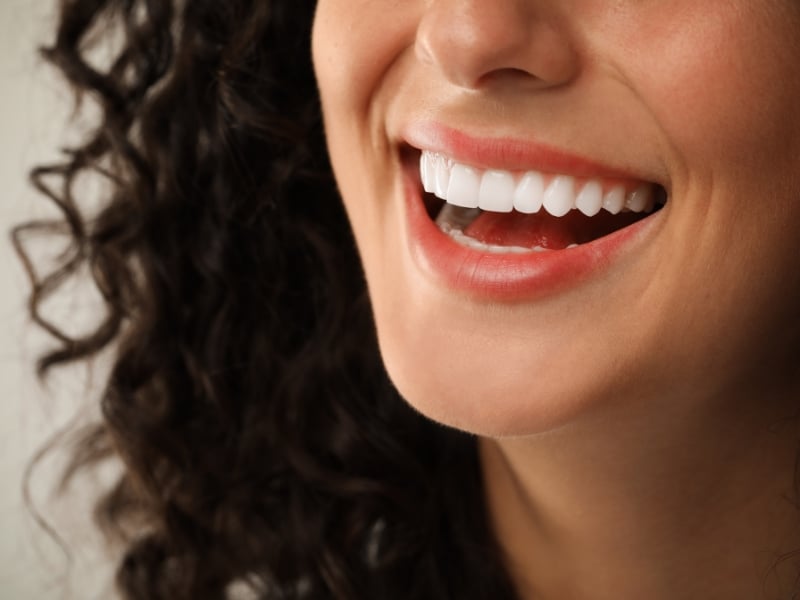
- Existing decay, gum disease or structural damage must be addressed first; otherwise, cosmetic work may fail or appear inconsistent with surrounding healthy teeth.
- Some treatments require enamel removal or shape adjustments that may not be appropriate if a person’s tooth structure is already thin or compromised.
- Lifestyle habits such as frequent coffee, red wine consumption or smoking can limit the longevity of cosmetic results and affect colour stability.
- Bite alignment issues influence how cosmetic surfaces wear, which means poorly chosen treatments might chip, stain or shift, reducing natural appearance over time.
Understanding these influences reinforces why assessing the suitability of cosmetic dentistry helps ensure outcomes that stay stable and natural-looking well into the future.
How do general dentists create natural cosmetic results?
General dentists create natural-looking results by prioritising harmony, proportion and subtlety. They rely on conservative techniques, accurate shade selection and detailed planning that respects your natural features. This ensures cosmetic enhancements integrate smoothly into your smile rather than replacing its character. Here are the practices that lead to naturality:
- Shade-matching systems evaluate warmth, translucency and micro-texture so replacement material behaves like enamel under different lighting conditions.
- Minimally invasive preparation protects as much original tooth structure as possible, helping maintain the natural base that allows cosmetic work to blend well.
- Dentists assess gum shape, symmetry and alignment because natural aesthetics depend as much on surrounding tissues as the teeth themselves.
- Mock-ups and digital previews allow you to visualise proposed treatments in relation to your existing smile before any permanent changes are made.
These careful methods help deliver long-term results that feel authentic, especially when paired with supportive habits such as best practices for protecting restored teeth and crowns that maintain their condition.
What techniques achieve the most natural finish?
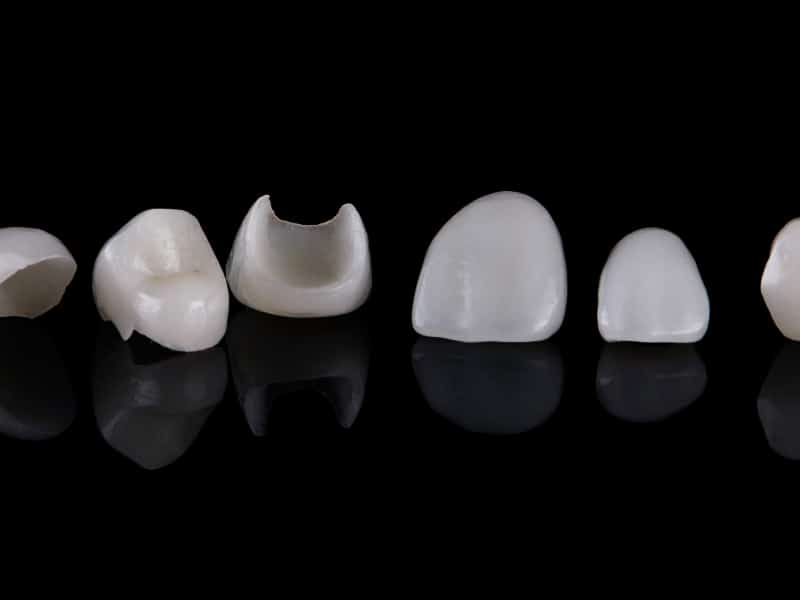
Techniques that replicate enamel texture, light behaviour and shade gradients tend to deliver the most natural cosmetic finishes. Treatments that prioritise subtlety rather than perfection allow your smile to look real from every angle. Here are the key techniques:
- Ultra-thin porcelain veneers use layered ceramics that mirror the translucency and reflective patterns of natural enamel, avoiding overly bright or flat surfaces.
- Composite bonding blends resin materials with micro-shading and contouring to replicate neighbouring tooth shape and texture for seamless integration.
- Custom whitening protocols gradually lift staining while preserving natural shading differences between teeth to avoid the artificial “blank white” effect.
- Digital smile design combines facial mapping and preview modelling to avoid over-correction and ensure the tooth shape suits your natural expressions.
A natural finish stems from precision and restraint, which is why cosmetic dentistry is an art and a science and relies on both sensitivity and technical skill.
How tooth restoration supports cosmetic results
Tooth restoration supports cosmetic results by providing a stable, functional foundation on which aesthetic work can sit safely and securely. Functional strength allows cosmetic work to maintain its shape, colour and alignment. Here are the restorative supports:
- Restoring cracked or decayed teeth with crowns or onlays ensures the cosmetic surface stays strong, preventing fractures and discolouration that can compromise visual appeal.
- Replacing missing teeth or balancing bite pressure keeps cosmetic enhancements from wearing down unevenly or shifting out of position.
- Updating old fillings with modern resin materials improves colour accuracy and prevents dark shadows that can reduce the natural look of cosmetic work.
- Ensuring gum and bone stability maintains symmetry and prevents recession that could expose restoration edges or alter proportions.
| Restoration Action | Cosmetic Benefit | Natural Result Achieved |
| Repairing decay with crowns/onlays | Protects cosmetic layers from damage | Keeps the surface smooth and stain-free |
| Replacing missing teeth | Maintains alignment and bite balance | Prevents shifting and ensures long-term symmetry |
| Updating metal fillings to resin/porcelain | Eliminates dark shadows near cosmetic zones | Matches surrounding enamel for seamless blending |
| Ensuring gum and bone support | Provides stability for veneers and crowns | Prevents gaps, slippage or uneven gum lines |
This structural support is essential for lasting aesthetic results, which is why understanding how tooth restoration supports cosmetic results becomes such an important part of a cosmetic plan that aims to look natural long term.
Final thoughts on teeth cosmetic procedures and natural results
Natural cosmetic results rely on thoughtful planning, careful material selection and a personalised approach that respects your unique features. The most natural outcomes appear effortless, balanced and adaptable to different expressions, lighting conditions and situations. If you’re considering enhancing your smile and want clarity about which options might offer the most authentic results, you can get in touch with Marsfield Dental Care, where your goals can be matched with the techniques that best support a natural appearance.