Having a Tooth Removed: The Procedure, Recovery and Replacing the Gap
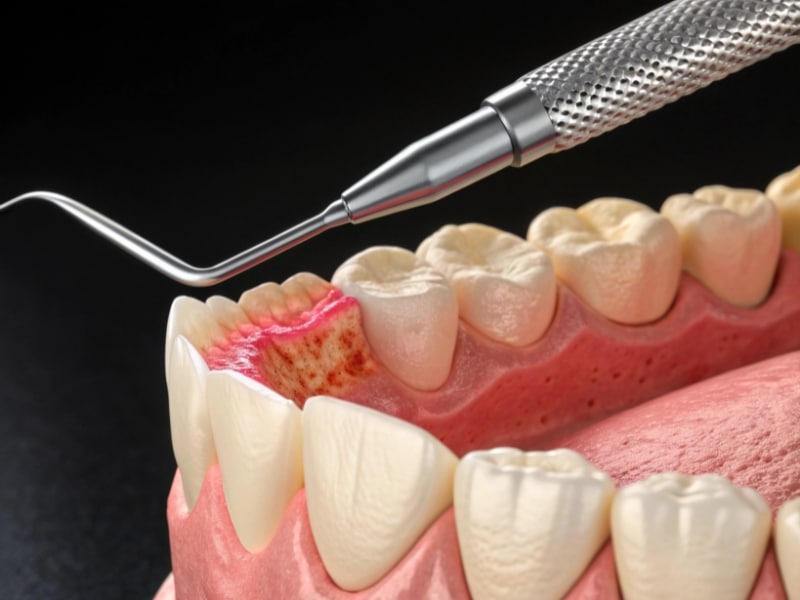
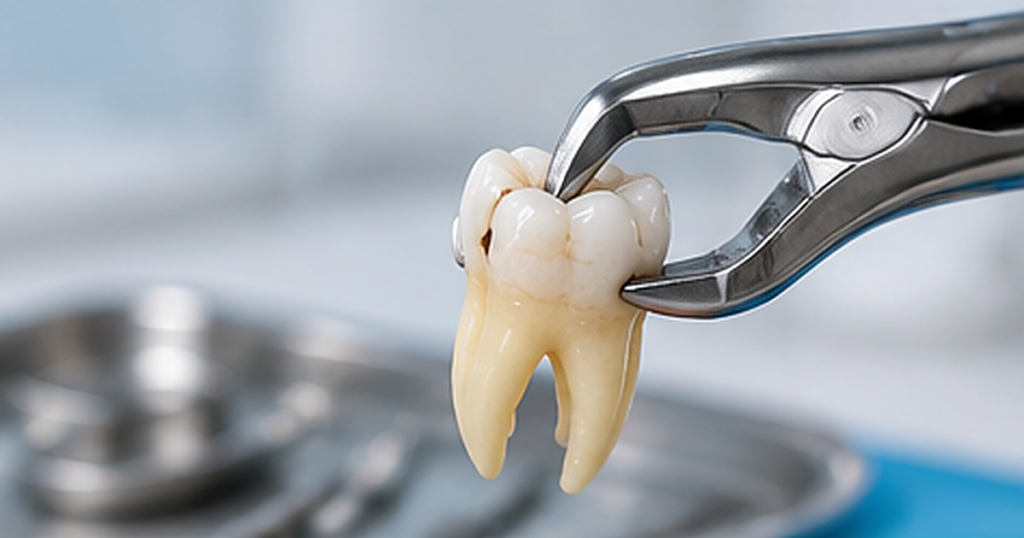
Tooth extraction is the removal of a tooth from its socket in the jawbone. It is usually recommended when a…
Dental implants replace missing teeth. A small fixture, usually titanium, is placed into the jawbone to support a replacement tooth, which may be a crown, a bridge or a denture. Implants may be an option if you have lost one or several teeth. Suitability depends on your oral health, bone support, medical history and a clinical assessment.
Treatment usually involves consultation, planning, placement, healing, and fitting of the final tooth. It involves surgery, requires sufficient supporting bone, and relies on good oral hygiene afterwards. Implants are not right for everyone. Recovery varies from person to person, and bridges and removable dentures are also valid options for replacing missing teeth.
This guide from Marsfield Dental Care explains how implants work, who may suit them, what happens during treatment, what recovery involves and what affects the cost.
Dental implants are artificial supports placed in the jawbone to hold one or more replacement teeth. The fixture sits below the gum, and the visible tooth is a separate part attached on top. Over several months, bone heals closely around the fixture in a process called osseointegration. Once the fixture is stable, the final crown, bridge or denture is made and fitted.
The exact parts differ between implant systems. Most implants are titanium. Some are made from zirconia, a metal-free ceramic. You can read about that option on our zirconia and metal-free dental implants page.
Osseointegration is the process by which bone heals closely around the implant surface and holds it firmly in place. The dentist prepares the site, places the implant and then allows time for the bone to heal. When the implant is stable, the final tooth is made and fitted.
| Implant treatment | Main purpose | Considerations |
| Single-tooth implant | Replace one tooth | Bone, space and neighbouring teeth |
| Implant-supported bridge | Replace several teeth | Number and position of implants |
| Implant-retained denture | Improve denture stability | Design and maintenance |
| Full-arch restoration | Replace an arch of teeth | Complex planning |
A temporary tooth may be possible during healing, but it is not always suitable. Read more about dental implant treatment at our Marsfield practice.
Dental implants can provide a stable replacement for missing teeth, with potential benefits for chewing, speech, and appearance in suitable patients. A single implant can also replace a tooth without reshaping the adjacent teeth. The results depend on your clinical situation, healing, and the restoration chosen; implants do not always restore the full function of natural teeth.
Gaps can affect chewing and how your teeth meet. An implant can support some treatment plans, but it does not stop all future bone changes. The gums and bone around an implant still need care. Plaque build-up can cause inflammation around the implant, called peri-implant disease, which can threaten the implant.
Crowns can be designed to blend with your other teeth. The final appearance varies from person to person.
| Option | What it involves | Main considerations |
| Dental implant | Implant-supported restoration | Surgery, bone, cost and maintenance |
| Conventional bridge | Replacement tooth supported by neighbouring teeth | Preparing the adjacent teeth |
| Partial denture | Removable replacement for some teeth | Fit, comfort and cleaning |
| Complete denture | Removable full-arch replacement | Retention and adjustment |
| No immediate replacement | Monitoring where reasonable | Function and tooth movement |
No option suits everyone. Our guide to tooth restoration options compares them side by side, or learn more about bridges, crowns, and removable dentures.
Suitability for dental implants depends on your oral health, the height and width of your jawbone, your medical history, your treatment goals and your ability to keep the implant clean. Some factors, such as smoking or diabetes, need extra care in planning, but don’t automatically rule you out. Your dentist confirms suitability after an examination and imaging, never over the phone.
Some factors need extra care when planning:
Having one of these does not automatically rule you out. Your dentist may talk with your doctor before planning treatment.
Some people need gum treatment, a tooth extraction or bone grafting first. Grafting, sinus procedures or gum treatment can extend the timeline. Grafting does not guarantee that you will become suitable. If implants aren’t suitable right now, other options for replacing teeth can be discussed.
Dental implant treatment usually involves an assessment, planning, any preparatory care, placement of the implant, a healing period and fitting of the final tooth. The order and timing depend on your oral health and the complexity of the case. At each stage, your dentist should explain what is planned, the alternatives, and the costs before you agree to proceed.
Your dentist reviews your teeth, gums, medical history and medicines. They discuss your goals, the alternatives, the risks and the costs. X-rays or scans are taken where needed to check the bone and nearby structures, as described on our technology page.
Planning covers the number and position of implants, the type of final tooth, any extractions or grafting, and temporary tooth options. You should receive a written plan and an itemised cost estimate.
The dentist prepares a site in the jawbone and places the fixture under local anaesthetic. Implant surgery is not risk-free, and some discomfort afterwards is common.
The implant needs time to become stable before the final tooth is fitted. Early or immediate restoration may suit selected cases, but not everyone.
An abutment is attached where needed. Impressions or digital scans are taken, the crown, bridge or denture is made, and the fit and bite are checked. Reviews then continue as part of ongoing care.
Possible complications include infection, bleeding, nerve injury, sinus problems in some upper-jaw cases, failure of the implant to integrate and later inflammation around the implant. The Australian Government’s healthdirect guide to dental implants gives a general overview. Your dentist should discuss the risks that apply to you before you agree to treatment.
Dental implant treatment usually takes three to six months from placement to the final tooth, because the bone and gums need time to heal. It takes longer when an extraction, bone grafting or gum treatment is needed first. Soreness after surgery usually settles within days, while bone healing around the implant continues for months. Timing varies from person to person.
You may notice tenderness, swelling, minor bleeding, bruising and some difficulty chewing. Soft foods help in the first days. Follow your dentist’s instructions, as symptoms vary.
Keep the area clean as advised, avoid disturbing the site and take any recommended pain relief. Attend your follow-up visits—our guide to eating with a new dental implant, with practical food ideas for each healing stage.
| Treatment period | Typical focus | What to keep in mind |
| First few days | Surgical recovery | Tenderness and swelling vary |
| Early healing | Gum recovery | Follow your cleaning and eating instructions |
| Weeks to months | Osseointegration | Timing varies by patient and site |
| Restorative stage | Final tooth fitted | Only when the implant is clinically stable |
| Long term | Cleaning and checks | Regular reviews to monitor gums and bone |
Contact your dentist if you have worsening pain, heavy bleeding that won’t stop, fever or swelling that keeps increasing.
Brush twice daily, clean between your teeth and around the implant, and attend reviews as recommended. Regular check-ups and cleans help pick up gum inflammation early. Managing risks such as smoking also helps.
The cost of dental implant treatment depends on the number of implants, the complexity of the case, any preparatory treatment such as grafting, the components used, and the type of final tooth. A price quoted for the implant fixture alone is not the full cost of replacing a tooth, because the abutment, crown, imaging and reviews are often charged separately.
A single-tooth implant may include the assessment, imaging, surgery, the implant, the abutment, the crown and review visits. Extractions, gum care or grafting may add to the total. For multiple-tooth and full-arch treatment, the number and position of implants, laboratory work and surgical complexity all affect the price.
Marsfield Dental Care gives a written, itemised quote after an assessment, showing the cost of each stage. Payment plans may be available; ask about the terms at your consultation. For a fuller breakdown of cost factors, see our guide to dental implant costs in Sydney.
When comparing quotes, ask:
Private health cover depends on your policy, limits, waiting periods and item numbers. Routine adult implant treatment is generally not covered by Medicare.
Dental implants can be a stable way to replace missing teeth for suitable patients, but they involve surgery, healing time and long-term care. Bridges and dentures remain sound choices for many people. An individual assessment is the best way to compare your options.
Missing one or more teeth and considering dental implants? Arrange a consultation at our family dental practice in Marsfield to discuss your oral health, treatment options, possible risks and expected costs. An assessment can show whether implants or another option suits your needs.
Book a Dental Implant Consultation
Implant placement is usually done under local anaesthetic, so you should feel pressure rather than sharp pain during the procedure. Afterwards, some discomfort, swelling and bruising may occur for a few days. Experiences differ between people. Contact your dentist if pain or swelling gets worse instead of better, or doesn’t settle with the recommended pain relief.
There is no fixed lifespan. Longevity depends on oral hygiene, bone and gum health, general health, habits such as smoking or grinding, and any complications. The implant fixture and the crown on top have different maintenance needs, and crowns can need replacing over time. Regular reviews help catch problems early, when they are usually easier to manage.
Often, but it depends on how much bone is missing. Bone can shrink after a tooth is lost. When too little bone remains to support an implant, bone grafting may be needed to rebuild the site first, adding healing time. Imaging that measures bone height and width is needed to make a decision. Grafting doesn’t suit everyone, and a bridge or denture may be the better option.
Some extras policies contribute to implant treatment, but benefits vary widely between funds and policies. Annual limits, waiting periods and per-item caps all apply, and implants are usually treated as major dental. Take your itemised written quote, with its item numbers, to your fund and ask for a benefit estimate before you commit to treatment.
Sometimes. A temporary crown, bridge or removable denture can often be worn during healing so you aren’t left with a visible gap. It isn’t suitable in every case, because pressure on a healing implant can affect integration. Your dentist will explain which temporary option, if any, suits your situation during treatment planning.
No. Most implants are titanium, which has a long clinical track record. Zirconia, a tooth-coloured ceramic, is a metal-free alternative that may suit some patients. Long-term evidence for zirconia is more limited, and fewer restorative options are available. Your dentist can explain whether either material suits your bone, bite and the tooth being replaced.