
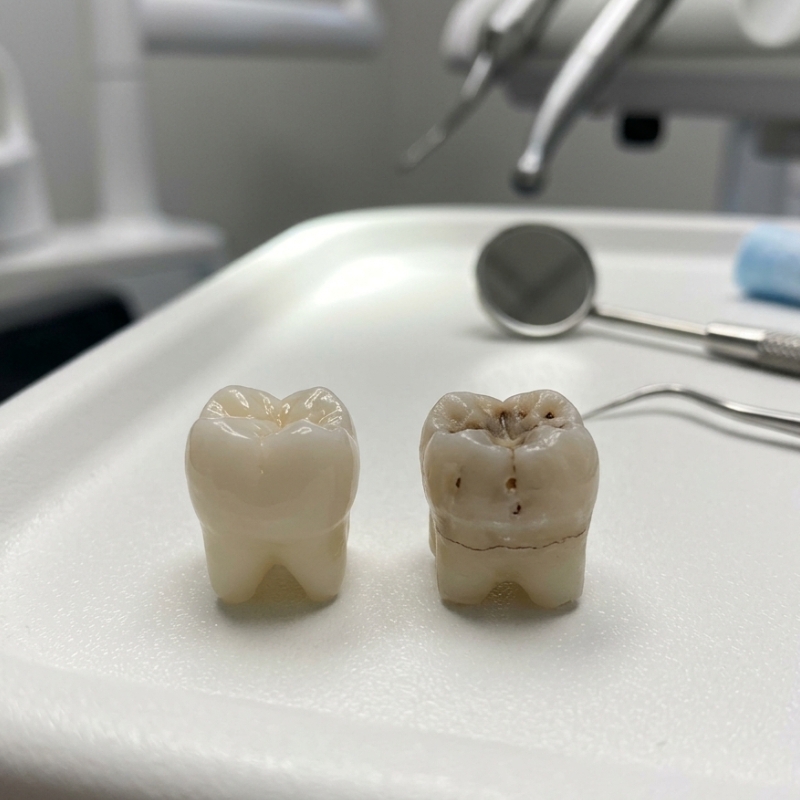
Most teeth can be saved with early dentistry, yet a small window exists where a damaged or diseased tooth tips from treatable to unavoidably removable. Knowing that window matters because once swelling, fever or spreading infection set in, extraction often moves from a planned appointment to an after-hours emergency. By spotting trouble early, you keep treatment calm, controlled and far less expensive. If you discover any of the red flags below, book an assessment straight away—your dentist can still plan a comfortable, routine tooth extraction when the timing is in your favour.
Persistent Pain Outlasting Treatment
A deep filling, crown or root-canal procedure usually settles within a week. Pain that lingers longer, pulses at night or intensifies with heat points to an unresolved issue deep in the root. Continual discomfort is the body’s way of warning that the nerve—or the surrounding bone—is under siege.
Patients sometimes keep masking that ache with over-the-counter painkillers, hoping it will just fade. Unfortunately, constant chemical relief hides the brewing infection while the supporting bone dissolves. Once enough bone is lost the tooth loses stability and extraction becomes the only reliable solution. Acting at the “persistent pain” stage, rather than the “can’t sleep, swollen face” stage, means shorter chair time and a straightforward recovery.
Recurring Infection Around The Same Tooth
Gums that clear up with antibiotics yet flare again a few weeks later signal a chronic bacterial pocket. Repeated prescriptions may temporarily ease pressure, but they cannot sterilise a fractured root or an unreachable canal. Each new bout chips away more bone and raises the risk of the bacteria entering the bloodstream.
Look for:
- gum boils that weep then reseal
- a bad taste even after brushing
- localised swelling that comes and goes
These clues often appear before dramatic pain, so they’re easy to miss during busy weeks. A small diagnostic X-ray confirms whether decay has crept under an old restoration or split the root. When infection cycles like this, proactive removal stops the bacteria escaping into neighbouring tissue. Understanding why swelling after dental extraction happens can also help patients recognise normal healing responses while protecting the rest of the mouth’s health.
Visible Structural Damage You Can’t Ignore
A crack that runs beneath the gumline, a piece of enamel shearing off while eating or a large cavity that reaches the nerve are all mechanical failures a filling or crown cannot undo. Once the vertical integrity of the tooth is lost, pressure from chewing travels straight into the jawbone, creating micro-fractures and inflammation.
Patients often assume “it doesn’t hurt, so I’ll wait.” Unfortunately, cracks rarely hurt until they propagate through the pulp. By the time the pain arrives, infection has already taken hold. Visually inspect your teeth under a bright bathroom light; if a dark line tracks down the side or a corner is missing, ask your dentist whether that tooth is salvageable. Where the fracture travels too deep, an early scheduled extraction prevents a traumatic break and the emergency surgery that follows.
Crowding That Threatens Healthy Neighbours
Not every extraction stems from disease. Sometimes a perfectly healthy tooth becomes the problem maker. Impacted wisdom teeth are the classic example, yet crowding can also involve premolars or supernumerary (extra) teeth. When a late-erupting tooth pushes neighbours out of alignment, food traps multiply and cleaning becomes impossible. This gradual shift can undo years of orthodontic work and may start eroding enamel on the adjacent roots.
During routine check-ups, dentists track these pressures with small, periodic X-rays. If the trajectory shows the erupting tooth heading straight into a critical root, removing it before contact keeps the rest of the arch stable. Patients interested in the post-procedure timetable can see our detailed recovery timeline after an extraction for realistic healing expectations.
When To Call The Dentist Today
Early intervention is always simpler than emergency care, but how early is “early enough”? Book an immediate appointment if you notice:
- facial swelling or a gum boil
- pain that wakes you at night
- persistent bad taste or odour despite brushing
- visible fracture below gumline
- crowding discomfort around a newly erupting tooth
Your dentist will assess mobility, take focused radiographs and outline all options. Where extraction is unavoidable, they will discuss local anaesthetic versus IV sedation, socket preservation, and replacement choices such as implants or bridges. Removing a problematic tooth under controlled conditions usually takes less than 30 minutes, and most patients return to work the next day.
For additional clinical guidance on extractions, NSW Health provides patient-friendly information regarding indications and after-care at their oral health portal.
Common Questions Answered
Will extraction always be the first recommendation?
No. Dentists work through a hierarchy of options: remineralisation, fillings, crowns or root-canal therapy come first. Extraction enters the conversation only when structure or infection makes other solutions unreliable.
Does removing a tooth hurt?
Modern local anaesthetics numb the area completely. Patients feel pressure, not pain. Any post-operative tenderness is usually mild and short-lived.
How soon should I replace an extracted tooth?
For back molars used primarily for chewing, waiting a few months is common. Front teeth or teeth that hold space for alignment are often replaced sooner to protect bite balance and appearance.
What if I’m anxious about surgery?
Speak up during the consultation. Practices can arrange oral sedatives, happy gas or IV sedation to match your comfort level.
Is dry socket inevitable?
No. Following the dentist’s instructions on rest, gentle rinsing and avoiding smoking keeps the clot stable. Most patients heal without complication.
Final Observation
Spotting subtle changes in pain, gum health or tooth shape turns a stressful dash to the emergency clinic into a calm, routine visit. Early diagnosis protects adjacent teeth, saves bone for future implants and generally costs less. Keep an eye on the signs above and arrange a prompt check-up if anything feels off—it’s the simplest way to stay ahead of a brewing dental emergency.

