
Tooth Pain Has Degrees, Not All of Them Urgent
Throbbing, stabbing or a dull ache that never seems to quit—“toothache” is a broad label that covers several very different situations. Some demand a same-day appointment, others can wait calmly until tomorrow. Understanding the difference helps you stay safe, protect the tooth and avoid an unnecessary late-night dash. If you suspect things are getting serious, our emergency dentist in Sydney is only a phone call away, but first run through the signs below.
Red Flags That Mean “Ring the Dentist Now”
Certain symptoms almost always point to an urgent problem. Call straight away if you notice any of these:
– Swelling in the cheek, jaw or neck, even if the pain is mild
– Fever or a general feeling of being unwell alongside the toothache
– Continuous bleeding from the gum around the tooth
– Sudden, sharp pain after an impact, sports injury or fall
– Pain that prevents sleep or worsens dramatically when you lie down
– Signs of pus or a bad taste that won’t rinse away
Swelling in particular is an alarm bell. Tissue can expand quickly when infection spreads, and the space around the airway is limited. The sooner the pressure is relieved and antibiotics started (if required), the lower the risk of complications. Fever is another tip-off that the body is fighting an infection rather than reacting to simple irritation.
Painful but Usually Not Time-Critical
Plenty of toothaches feel awful yet are unlikely to deteriorate overnight. These include:
– Sensitivity that flares with hot or cold drinks but settles within a minute
– Dull, intermittent pain from a tooth that already has a filling or crown
– A small chip that exposes no nerve, gum or root
– Minor gum irritation after eating popcorn, nuts or crusty bread
Any of the above still need a check-up soon, but they rarely justify waking the dentist at 10 pm. Following these tips to alleviate toothache and gum pain, such as gently brushing, flossing to remove any trapped debris, and keeping the area clean with salt-water rinses, can help manage discomfort. Over-the-counter pain relief used according to the packet directions can make the night easier.
Home Care That Helps Rather Than Hurts
While waiting to be seen, simple steps can control discomfort without worsening the problem.
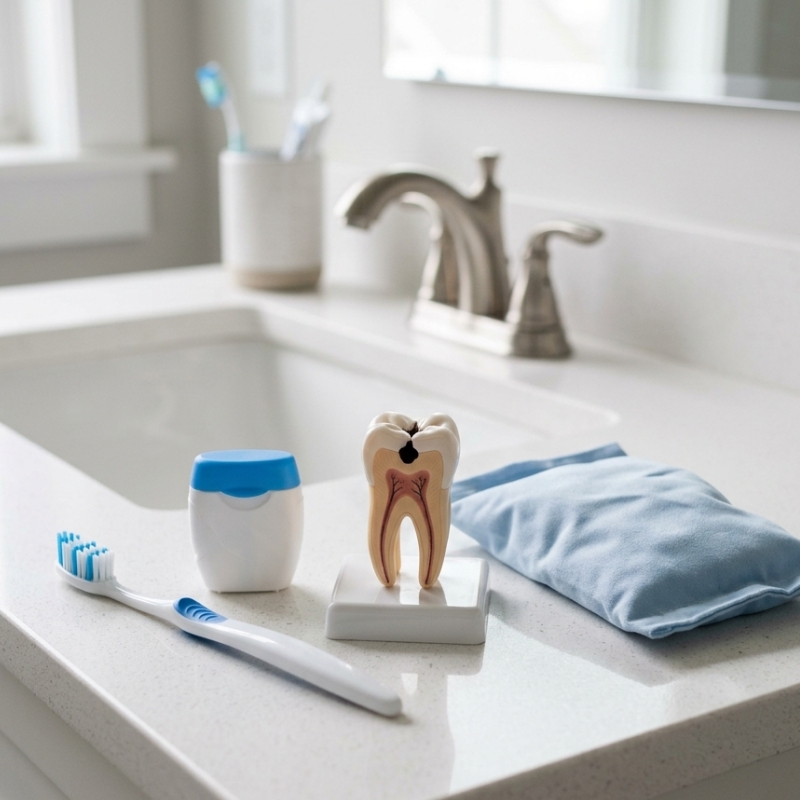
Cold compress: A wrapped ice pack against the cheek lowers inflammation and numbs surface nerves. Hold for ten minutes, rest for ten, repeat as needed.
Salt-water rinse: One teaspoon of salt in a cup of warm water cleanses the gum and can draw fluid away from swollen tissue. Swish gently for 30 seconds; do not swallow.
Pain medication: Paracetamol taken at recommended intervals is generally enough for most dental pain. Ibuprofen adds an anti-inflammatory benefit if you are safe to take it.
Soft diet: Soups, yoghurt and scrambled eggs keep pressure off the sore tooth. Skip very hot, cold, sugary or acidic foods until assessed.
What to avoid: Topical numbing gels meant for teething babies, aspirin placed directly on the gum (it can burn tissue) and “DIY filling” kits found online. These can mask symptoms, introduce bacteria or delay proper treatment.
When the Calendar Matters: Child Injuries and Weekend Sport
Children crack, chip and loosen teeth with remarkable creativity—trampolines, handlebars, even a stray cricket ball in the back yard. Baby teeth and adult teeth require different responses. A knocked-out baby tooth is not reimplanted, while an adult tooth must be replaced in the socket within 30 minutes for the best survival chance. Storing it in milk while travelling to the dentist keeps root cells alive.
Weekend sporting injuries follow similar rules. Any tooth displaced, excessively mobile or visibly fractured through the pink inner layer is an emergency. Mouthguards reduce risk but don’t eliminate it. Clubs often keep a basic first-aid kit; adding a small bottle of saline or milk can save a tooth if players know what to do.
Preparing for the Appointment
Good notes shorten diagnosis time. Jot down:
– When the pain began and anything that seemed to trigger it
– Whether it throbs constantly or spikes with hot, cold or biting
– Medications you have already taken, and when
– Any history of injury, recent dental work or sinus problems
Bring these details, plus private health fund information if you have cover. Photos on your phone showing swelling progression or the moment of injury are also useful. Patients taking blood thinners, managing diabetes or pregnant should mention this upfront so the clinical team can plan anaesthetic and medication choices.
Parking at Marsfield Dental Care is on-site, but heavy weekday traffic on Epping Road can add ten minutes, so allow extra time. Arriving a little early lets you complete paperwork and settle before treatment.
How Emergency Dentists Decide the Next Step
Assessment begins with a visual check and an X-ray. The dentist looks for infection at the root tip, deep decay, cracked roots or gum abscesses. Possible immediate treatments include:
– Opening the tooth to relieve pressure and drain infection
– A temporary dressing to calm an inflamed nerve
– Recementing or replacing a lost filling
– Extraction if the tooth cannot be saved
Where infection has spread, antibiotics start the same day. Root canal therapy or permanent crowns usually follow at a later visit once the site has stabilised.
The dentist’s goal is to stop pain fast, control infection and set a clear plan for full repair. Cost depends on complexity; front-of-house staff can provide written estimates after the initial examination.
For broader infection management advice, the Australian Dental Association emergency advice explains why time matters and outlines recommended first-aid measures.
Final Word
A toothache can signal anything from a small cavity to a spreading infection. Swelling, fever, severe pain, or trauma move the problem into genuine emergency territory and deserve immediate professional care. Mild sensitivity or a manageable ache often wait until the next business day, provided you keep the area clean and monitor changes. Quick observation, a sensible home routine and a prompt call to the dentist protect not just the tooth but your overall health.

