

Wisdom teeth have a way of sneaking up on you. One day everything feels fine, and the next you’re rubbing your jaw, wondering why it suddenly hurts. For some people, there’s never any discomfort. For others, swelling, pain, or unexpected crowding can appear suddenly. Wisdom tooth extraction might not sit high on your to-do list, but getting it done early could save you from a world of trouble later on. Just because you’re not in pain now doesn’t mean issues aren’t brewing — from infection to bone damage, these back molars are notorious for causing problems when you least expect them. So, is extraction worth it? Let’s take a look.
Why do some patients need a wisdom tooth extraction earlier than others?
Some people get off scot-free, but others aren’t so lucky. Timing usually comes down to genetics, how much room you’ve got in your jaw, and the way those teeth try to come through. A few key reasons for early removal include:
- Lack of jaw space: If your mouth’s already packed tight, extra molars can trigger pressure and pain early on.
- Impacted eruption: When wisdom teeth grow sideways or can’t break through properly, they can cause infections or form cysts.
- Recurring gum inflammation: You might get flare-ups from a condition called pericoronitis — it’s a fancy name for gum swelling near a half-erupted tooth.
- Orthodontic interference: Braces straightened your smile? New molars might undo all that good work.
So, if you’re in your late teens or early twenties and something feels off, chances are it’s more than just growing pains.
What dental problems can arise if an impacted wisdom tooth is ignored?

Ignoring wisdom tooth drama is a bit like ignoring a slow leak in your roof. It might seem harmless now, but it’ll make a mess eventually. Here’s what could be waiting around the corner:
- Infections and abscesses: When food and bacteria get trapped, they cause nasty infections or pus-filled abscesses.
- Decay in nearby teeth: Hard-to-clean areas around impacted molars become decay hotspots.
- Cysts and jaw damage: A fluid-filled sac forming around a tooth might not sound scary, but it can destroy bone if left unchecked.
- Persistent pain: You could end up with nerve irritation or pressure that just won’t settle down.
It’s worth knowing that the risks of neglecting post-extraction care instructions may also add to the problem, especially if you delay or skip treatment.
Which signs indicate that molar extraction might be necessary?
You don’t need to be a dentist to spot the warning signs. These are the red flags that usually point to an extraction being on the horizon:
- Persistent jaw or gum pain: Especially near the back of your mouth — that ache might not be going away on its own.
- Swelling or redness near back molars: Could mean an infection or a tooth trying to punch through sideways.
- Bad breath or a foul taste: Food and bacteria hiding under the gum flap often lead to this.
- Visible crowding or shifting teeth: If your front teeth start moving for no reason, your wisdom teeth could be the culprits.
When you spot these signs, a reliable solution for safe wisdom tooth extraction can often keep things from spiralling.
Can wisdom tooth extraction reduce the need for future orthodontic work?
Short answer? Yep. Pulling wisdom teeth before they wreak havoc can protect the smile you’ve already paid for. Here’s how it helps:
- Stops teeth from shifting: Those back molars love pushing forward — and they don’t care what’s in their way.
- Protects orthodontic investment: Have you had braces or Invisalign? This keeps everything in line.
- Prevents bite issues: Extra pressure from molars can throw off your bite or wear down teeth unevenly.
- Reduces jaw tension: Less crowding = fewer headaches, jaw aches, and clenching.
It’s all tied into the benefits of early molar extraction in preventive dental care — a bit of prep now, a lot less drama later.
How is a surgical tooth extraction different from a standard removal?
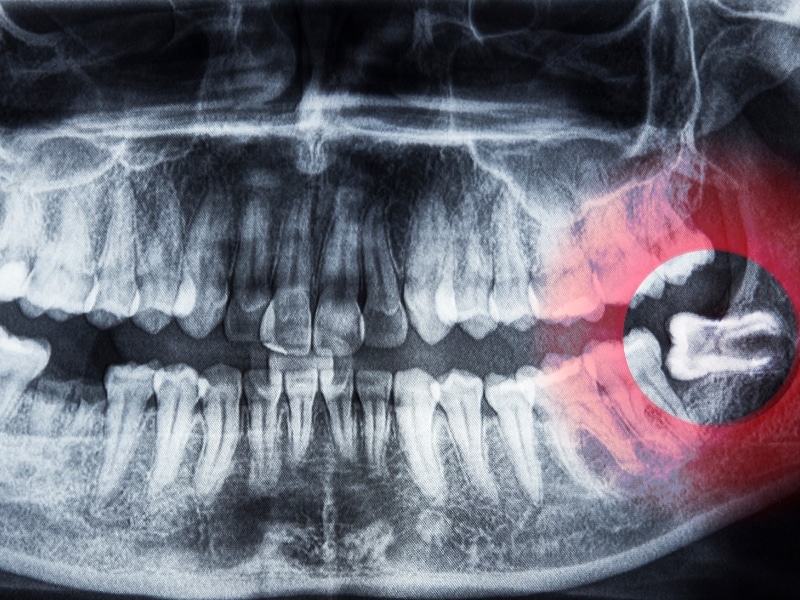
There’s your average tooth yank, and then there’s surgical removal — a bit more complex, but sometimes the only way to sort things properly. Here’s how the two differ:
- Gum incision required: If the tooth hasn’t broken through, your dentist might need to open up the gum to reach it.
- Tooth sectioning: Teeth stuck at awkward angles may need to be cut into smaller bits to come out cleanly.
- Longer healing period: Surgical extractions often mean more swelling, soreness, and a week or so of soft food.
- Specialist referral potential: Deeply impacted or high-risk extractions sometimes go to an oral surgeon.
Even if it feels a bit full-on, surgical extraction’s often the cleanest way to avoid bigger dramas down the track.
What should patients expect before a molar removal?
Knowing what’s coming helps most people chill out a bit. Here’s the general flow before a wisdom tooth comes out — and for trusted advice on wisdom teeth removal, it’s worth checking an authoritative source:
- Consultation and imaging: Usually includes a panoramic X-ray so your dentist can plan the best approach.
- Numbing and anaesthesia options: Local anaesthetics standard — sedation on the table if you’re feeling nervous.
- Procedure prep instructions: Might mean skipping brekkie, stopping meds, or organising a lift home.
- Post-op care planning: Think soft food, pain meds, and plenty of rest.
Here’s a quick breakdown:
| Step | What to Expect |
| X-rays | Show tooth position and root structure |
| Anaesthesia | Numb pain may include sedation for comfort |
| Removal Method | Simple or surgical, depending on complexity |
| Recovery | Swelling, soreness, soft diet for 3–5 days |
No one’s thrilled about dental work, but a heads-up makes it easier to brace yourself — and recover quicker, too.
Final thoughts
There’s no doubt that wisdom tooth extraction can stir up some serious trouble if left unchecked. But handled early, they don’t have to wreck your smile or undo years of dental work. If you’re weighing your options, it’s worth knowing how Marsfield Dental Care handles complex wisdom tooth cases — it offers clarity on what to expect and how to plan for a smoother experience. It’s worth remembering that if your jaw’s been acting up more than a toddler in the supermarket, it might be time to sort it before it sorts you.

