
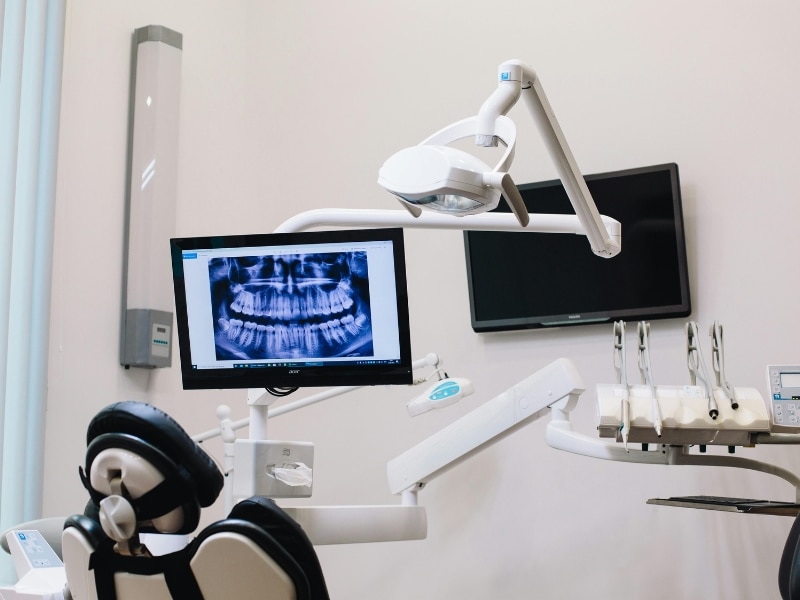
Have you ever wondered whether a routine exam should include a dental X-ray? You might brush and floss daily, but some dental issues hide where the naked eye can’t see. Getting this imaging at the right time can uncover hidden problems early. Imagine catching a developing cavity before it becomes painful—or spotting bone loss that hasn’t caused discomfort yet. Dental X-rays offer more than just images—they offer reassurance, clarity, and control over your treatment. A well-timed dental X-ray guides accurate treatment planning and provides peace of mind. This article helps you understand when you might need an X‑ray, what affects the dental X-ray cost, how dental X-ray machines and dental X-ray sensors work, and how the results inform your care.
Why might a dental X-ray be necessary for diagnosis?
Think of a dental X-ray like your dentist’s secret weapon. You might not always need it — but when the time’s right, it shows things even the sharpest eyes can’t spot.
- Routine visits: X-rays can reveal cavities hiding between teeth. Fixing them early means no drilling drama later on.
- Accidents and knocks: Taken a hit to the mouth? A quick scan can show cracks or breaks below the gumline — the kind you don’t always feel.
- Teenagers with shifting teeth: Wisdom teeth have a mind of their own. X-rays track their movement before they start causing grief.
- Gum disease checks: Bone loss can fly under the radar until it’s serious. X-rays spot it early and help tailor treatment.
It’s not about overtesting — it’s about knowing when a visual check just isn’t enough. And when your dentist can see more, they can do more.
What potential issues can a dental X-ray reveal?
Most people assume X-rays are all about cavities. But they’re way more revealing than that — think of them as early warning signs for all sorts of oral health issues.
- Cavities under old fillings: These can sneak in quietly, and unless you’re X-raying, they’re easy to miss.
- Enamel breakdown: That early stage of decay before pain kicks in? It’s often only visible in a scan.
- Root infections: Sometimes you don’t feel a thing — but an abscess is sitting there, ready to flare up.
- Bone changes: Subtle signs of gum disease or even broader health problems (like osteoporosis) can show in jawbone density.
Spotting any of this early puts you in a better position to act. And if it turns out there’s nothing to worry about? Even better.
Are there any safety concerns with dental X-rays?
Worried about radiation? You’re not alone — and asking questions about medical scans is smart. The good news is that dental X-rays are safe for almost everyone when used correctly, especially when you compare dental X‑ray radiation with other everyday exposures.
- Radiation levels are very low — most are less than what you’d get walking around in a day.
- Lead aprons and shields are still available for added comfort and protection.
- Digital sensors cut exposure even further and reduce the chance of needing repeat images.
- Kids and pregnant patients can be scanned with adjusted settings — but only when necessary.
Basically, modern dental tech is built to do the job with minimal risk. You’ll be protected and informed every step of the way.
How should you prepare for your dental X‑ray visit?
Let’s be honest — there’s not much to prep for. But a few small steps can make your X-ray visit smoother and less stressful.
- Give a full rundown of your health history — even if it seems unrelated.
- Take off earrings, glasses, or anything metal near your face. It might get in the way of the scan.
- No need to fast unless sedation’s involved — your dentist will tell you ahead of time if that’s the case.
- If you’re nervous or unsure, ask what kind of X-ray they’re using and what protection they offer.
It’s quick, it’s easy, and being a little prepared means the whole thing’s over before you know it.
What should you expect during and after the procedure?
A lot of people expect something uncomfortable — or even painful. But the truth? It’s over before you blink.
- First, they’ll place a small sensor in your mouth (or just outside it). It might feel strange, but not painful.
- Then, a quick countdown. Hold still — the image is captured in seconds.
- You’ll see the results almost instantly. Your dentist will talk you through what they see, whether it’s good news or something to keep an eye on.
- From there, any treatment needed can usually be planned straight away.
It’s a fast process — but it plays a big role in keeping your mouth healthy long term.

Do different types of dental X-rays offer unique benefits?
Not all X-rays are the same. Your dentist will choose one based on what they need to check.
- Bitewing X-rays: These show the tops of your back teeth — great for spotting cavities between them.
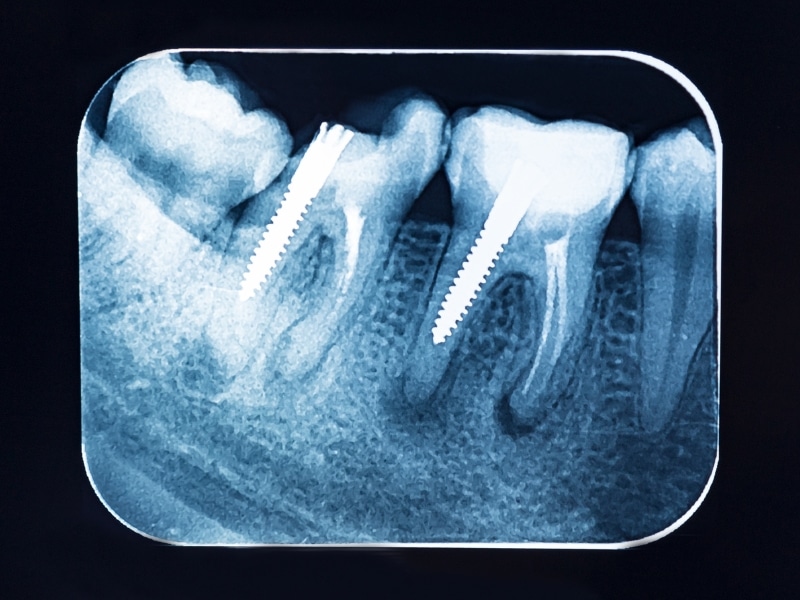
- Periapical X-rays: These go deep, showing the full tooth from top to root, plus the surrounding bone. Ideal for root issues.
- Panoramic X-rays: This one takes a wide shot — your whole jaw, all at once. It’s used for wisdom teeth, jaw structure, implants, and braces planning.
- Digital sensors: Provide sharper images and lower radiation than older film — and they’re quicker to process.
Each type adds value in specific contexts and enhances diagnosis. Explore the benefits by considering reliable dental care for diagnostic X-ray solutions when appropriate.
Insurance and costs at a glance:
Wondering what it’ll cost you? Here’s a breakdown of typical prices — and how often you might need each type.
| X-ray Type | Cost Range (AUD) | Suggested Frequency |
| Bitewing (2 images) | $80–$120 | Every 1–2 years |
| Periapical (1–4 images) | $50–$150 per region | As needed for root or bone checks |
| Panoramic | $150–$300 | Prior to surgery or implants |
| Full-mouth digital scan | $300–$600 | Every 3–5 years |
Many private health extras will cover part of the cost — always worth checking in with your fund before the appointment.
Getting a dental X-ray for oral health
A well-timed X-ray can be the difference between a minor fix and major dental work. Spotting issues early means quicker treatment and less discomfort. Even better, it often means no treatment at all — just peace of mind. You can learn what Marsfield Dental Care can do for your next checkup by following the friendly guidance found on the contact page.