
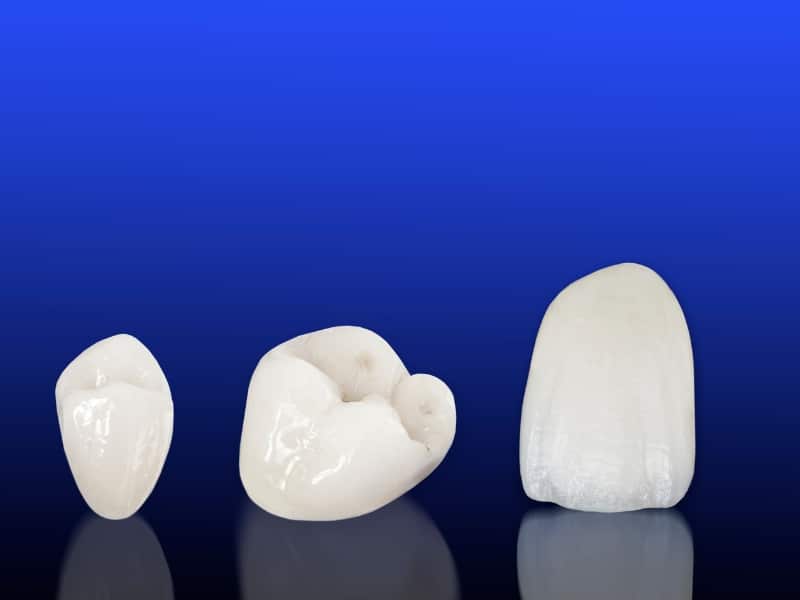
You should consider ceramic dental crown repair when the tooth feels loose, chips, aches on biting, or the bite shifts after meals. Those changes usually signal a compromised seal or fit that can snowball into decay or fractures if ignored. Because a ceramic dental crown should feel invisible, any persistent niggle deserves attention before it becomes a bigger issue that requires more extensive chair time. Expect practical fixes, from micro-polish to replacement, tailored to your bite and aesthetics. This article outlines red flags, likely causes, treatment options, costs, and care tips, so you know exactly when to take action.
What are the common signs that a ceramic dental crown needs repair?
Most crowns last smoothly for years, but warning signs appear once stress or leakage develops. If sensitivity spikes, floss snags, or the bite feels high, the interface between tooth and crown may be changing. Jump on these hints early, and you’ll preserve function, comfort, and appearance without drama. Here are the common signs:
- Temperature sensitivity: Brief zings to cold or sweet foods often indicate micro-gaps along the margin.
- Rough or chipped edges: The tongue detects tiny flakes that can propagate under load.
- Bite feels “off”: Premature contacts overload one spot and can crack porcelain.
- Gum irritation near the edge: Inflammation suggests plaque trapping or cement washout.
- Movement when chewing: Indicates loss of retention; decay may lurk beneath.
If two or more signs stack up, organise an assessment. Mid-article resources on crowns and bridges outline planning, material choices, and bite balancing, providing fast chairside relief when appropriate. In that context, you can also explore trusted ceramic crown treatments for restoring natural smiles to see how repairs and replacements are approached in a clinically consistent way. Wrap things up early, and you’ll keep a natural-looking crown restoration humming along.
Why do ceramic dental crowns become damaged over time?
Crowns endure thousands of chewing cycles daily, not to mention thermal swings from coffee to cold water. Over time, micro-stress accumulates, and the tooth–crown junction can become fatigued. Habits like nail biting, ice chewing, or using teeth as tools only add to the load. Here are the leading causes:
- Bruxism and clenching: Repetitive load creates micro-fractures and accelerates wear.
- Acidic diet and dry mouth: Acids weaken the adhesive seal and roughen margins.
- Aging cements and receding gums: Exposed edges trap plaque and invite decay.
- Bite imbalance: One high spot concentrates force and invites cracks.
- Material–tooth mismatch: Hot–cold expansion differences can cause fatigue in the bond.
You may wonder how long ceramic crowns last. With proper crown maintenance, night splints, and good hygiene, longevity is strong, especially with a metal-free dental crown that mimics the wear of natural enamel. Leave risks unchecked, and the potential for repeat debonding increases; manage risks, and your result remains in good condition for years.
What are the treatment options for a cracked or loose crown?
Treatment depends on the depth, location, and remaining tooth structure of the defect. Minor chips polish well; shallow fractures often accept bonded porcelain repairs. A sound yet loose crown can be cleaned and re-cemented. Deep cracks, recurrent decay, or a poor fit typically indicate the need for replacement, often via a same-day ceramic crown. Here are the likely options:
- Polish and glaze: Smooths small chips; restores comfort fast with Lower long-term predictability if heavy forces persist.
- Bonded micro-repair: Composite seals craze lines and shields margins.
- Re-cementing a loose crown: Cleans interfaces and restores retention when fit is acceptable.
- Complete replacement: New design improves fit, strength, and colour stability.
- Occlusal splint: Night protection to preserve the new work and reduce fractures.
Treatment snapshot:
| Situation | Likely options | Advantages | Considerations | Timeframe |
| Small chip, no pain | Polish or glaze | Smooth, economical | May not suit deeper cracks | 15–30 min |
| Localised craze line | Bonded micro-repair | Seals defect; protects the edge | May need a later upgrade | 20–40 min |
| Crown off, intact | Clean and re-cement | Retains existing crown | Fit issues can repeat the loss | 30–45 min |
| Marginal decay | Remove decay, reassess | Reduced risk of re-decay; fresh seal | More chair time | 45–90 min |
| Deep crack/poor fit | New crown | Natural enamel-like translucency; better occlusion | Higher upfront cost | 60–120 min |
When repairing a loose crown, store it safely and avoid DIY glues. For practical steps and timelines, knowing what to expect if your ceramic dental crown comes loose is crucial. This primer covers stabilisation, temporary measures, and how crown longevity and durability improve once the fit is restored. Conclude with realistic expectations, and you’ll avoid being flat out fixing repeat failures.
How do dentists repair or replace a damaged ceramic dental crown?
Repair or replacement follows a structured dental crown procedure that restores protection and bite balance. Assessment comes first: bite tests, X-rays, and margin inspection. Then the clinician either performs a micro-repair, re-cements, or designs a new restoration based on stability, aesthetics, and load. Here are the key steps:
- Diagnosis and isolation: Identify the cause; keep the field dry for strong bonding.
- Micro-repair protocol: Micro-etch, silane, and composite glaze for surface defects.
- Re-cementation: Clean interfaces, perform a trial fit, and then bond with resin cement.
- Digital replacement: Scan, design, and mill a same-day ceramic crown for efficient turnaround.
- Bite refinement: Adjust contacts to protect porcelain and joints.
You’ll also be guided on what to expect after crown repair, including a soft diet for 24 hours, sensitivity timelines, and guidelines for resuming sports. Many people select a metal-free dental crown to maintain the shade and translucency of their teeth. For a broader context on function, gums, and bite balance, discover how dental restorations improve oral health over time. That explainer aligns with careful load management, so your result doesn’t go pear-shaped later.
What factors determine if a ceramic dental crown should be repaired or replaced?
The decision turns on crack depth, direction, and load. Fine edge chips with stable occlusion often repair well. Vertical or spreading cracks, recurrent debonding, or caries tip the scale toward replacement for safety and predictability. Here are the deciding factors:
- Extent and direction of damage: Vertical lines near the root increase the failure risk.
- Tooth position and load: Molars carry the most force; repairs can fatigue more quickly.
- Crown age and history: Repeated failures suggest a fresh design is wiser.
- Occlusal risk profile: Grinding without a splint favours replacement.
- Aesthetic demands: Front teeth need high-fidelity colour and edge translucency.
Material selection matters too; high-strength ceramics support durability while maintaining actual colour. If time is tight, a same-day ceramic crown eliminates the need for a second visit. With a tailored plan, you’ll protect function, appearance, and long-term comfort without mucking about.
Are dental crown repairs covered under regular dental care?
Coverage usually sits under major dental, with item codes for repairs, re-cementation, or new crowns. Waiting periods, annual limits, and gaps differ by policy. Itemised quotes and clinical images help claims progress quickly and reduce back-and-forth. Here are the coverage points:
- Policy tier and limits: Check remaining significant dental benefits before booking.
- Specific item numbers: Re-cement differs from replacement; codes influence rebates.
- Waiting periods: New policies may result in delayed, higher rebates; plan accordingly.
- Adjunctive protection: Occlusal splints can be claimable and protect outcomes.
For perspective on Australian oral health trends and service use, consider Australian insights on oral health and restorative dentistry. Use that lens to benchmark choices, then match treatment to your bite risk, schedule, and goals for crown longevity and durability.
Final thoughts
Daily habits decide performance: floss carefully, brush margins with a soft brush, and avoid using teeth as tools; if grinding returns, wear the splint every night to protect the work; keep acidic sips to mealtimes and rinse with water after citrus; schedule bite reviews so small high spots don’t escalate; for specific timing, materials, or repairing a loose crown decisions, ask Marsfield Dental Care about your personalised dental crown repair options so your plan suits your lifestyle, supports crown maintenance, and keeps results stable with no dramas.