
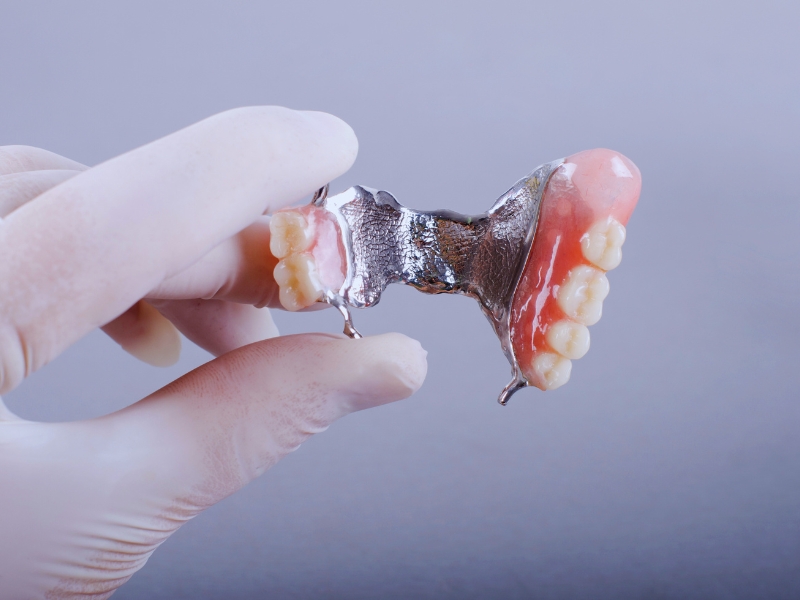
Getting partial dentures can feel like a big step, especially if you’ve been missing teeth for some time. You might worry about comfort, cost, or how natural they’ll look. These concerns are perfectly normal; most people share them before their first fitting. The good news is that modern dentures are a far cry from what they used to be. They’re now more precise, comfortable, and natural-looking than ever before.
In this article, you’ll find out what to expect during each stage, from why dentures are needed to how to care for them at home. You’ll also get tips to ease the process and learn what makes acrylic partials unique. Whether you’re replacing one tooth or several, understanding the journey helps you feel confident every step of the way.
Why do people need partial dentures?
Missing a few teeth can make eating and speaking harder than you’d think. Partial dentures are designed to fill those gaps, helping to restore both function and appearance. They’re ideal for people who still have some natural teeth but want to avoid the long wait or expense of implants.
- Help maintain jaw alignment and prevent other teeth from drifting
- Make chewing and speaking easier
- Improve your confidence when smiling
The problem many people face is waiting too long before replacing missing teeth. Over time, bone loss and shifting teeth make it harder to get a proper fit. This can also lead to bite issues and even jaw pain. The longer you delay, the more complex your dental needs become. For patients in Sydney, exploring the best partial denture options in Sydney ensures you’re matched with a solution that fits your mouth and your lifestyle.
What problems do missing teeth cause?
You might think missing one or two teeth isn’t a big deal, but it can affect more than just your smile. When teeth are lost, the surrounding teeth start to shift. This can change how your bite fits together and create uneven pressure during chewing. Some common issues caused by missing teeth include:
- Gum irritation and increased sensitivity
- Uneven wear on remaining teeth
- Difficulty chewing hard or sticky foods
- Speech changes or slurring sounds
Beyond the physical side, missing teeth can make people self-conscious, leading to social discomfort or avoiding certain foods in public. Over time, this can wear down your confidence and affect your health. A bold advantage of early replacement is preventing long-term jaw and gum issues. On the flip side, delaying treatment often leads to more costly fixes later.
Are removable dentures uncomfortable to wear?
Many patients wonder if removable dentures will feel strange at first. The truth is, yes, it takes a short adjustment period. But after a few weeks, most people find them comfortable and secure. Here’s what you can expect:
- Initial tightness or mild soreness as your mouth adapts
- Slightly increased saliva for a few days
- Minor speech changes that quickly settle with practice
The problem arises when dentures aren’t fitted correctly. Poor alignment or low-quality materials can rub against your gums, causing irritation. That’s why seeing a dentist experienced in denture fitting makes a world of difference. With modern materials and careful fitting, today’s removable dentures are far more comfortable than older models. Regular check-ups help maintain that comfort and prevent problems before they start.
How are acrylic partials different from other denture types?
Acrylic partial dentures are one of the most common types, and for good reason. They’re lightweight, cost-effective, and easy to adjust. The base is made of acrylic resin that blends with your gums, while small clasps help anchor the denture in place. Here’s how they compare to other materials:
| Denture Type | Material | Main Benefit | Durability | Comfort Level |
| Acrylic Partial | Acrylic resin | Easy to adjust and repair | Moderate | High |
| Metal Framework | Cobalt-chrome | Strong and long-lasting | Very High | Moderate |
| Flexible Partial | Thermoplastic | Lightweight and discreet | High | Very High |
Acrylic options are a solid choice for many patients because they balance affordability and comfort. However, metal partials often last longer but cost more, while flexible options feel more natural but can stain faster. To maintain balance between comfort and longevity, discuss your needs with your dentist before choosing. Reliable information on this topic can be found through oral health for the elderly, which explores denture care and oral wellbeing in later life.
What are the steps in getting fitted for new dentures?
Getting dentures isn’t a one-visit process. It involves several appointments to ensure a snug, natural fit. Here’s a typical timeline for the denture fitting process:
- Initial consultation: Your dentist examines your mouth and discusses suitable options.
- Impressions: Moulds of your mouth are taken for accurate denture creation.
- Try-in: A trial denture is tested for fit, bite, and comfort.
- Final fitting: Adjustments are made, and your new dentures are placed.
Many patients are surprised by how personalised this process is. Every stage is tailored to your unique bite and gum shape. A key benefit of this thorough process is ensuring lasting comfort and a natural appearance. However, rushing the fitting can lead to poor alignment and discomfort.
Final thoughts on maintaining partial dentures at home
Caring for your new dentures properly helps them last longer and keeps your mouth healthy. The goal is simple: keep them clean, moist, and handled gently.
- Gently brush your dentures each day using a soft toothbrush and mild cleaning agent.
- Leave them to soak overnight in a specialised denture-cleaning solution.
- Rinse them well under running water before placing them back in your mouth.
- Keep them away from hot water or strong cleaning products that could cause damage.
The solution to most denture discomfort is consistent care. Small habits like regular cleaning and check-ups prevent odours, stains, and damage. Over time, these efforts keep your dentures fitting comfortably and looking great.
If you’re unsure about your routine or need more tailored support, seek guidance from Marsfield Dental Care. They can advise on cleaning products, maintenance schedules, and comfort adjustments suited to your needs.