
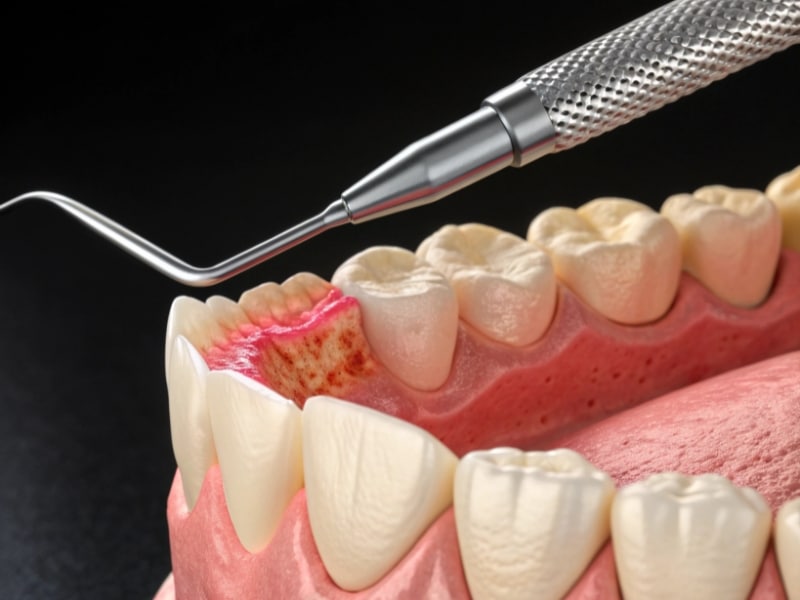
If you’ve ever ignored gum pain, hoping it’d sort itself out, you’re not alone. Putting off emergency gum treatment can seem harmless in the moment — but it’s often the first step toward a bigger dental mess. Pain, swelling, or even bleeding gums signal your body’s red flag, and brushing those signs aside could lead to far worse than a rough night’s sleep. This article walks you through what really happens when gum issues are left hanging. This blogs explain why people delay, what risks grow with time, and which treatments help when caught early. When the clock’s ticking, informed action matters.
Why do people often put off emergency gum treatment?
People delay emergency gum treatment for a mix of personal, practical, and emotional reasons — it’s not always about neglect. Often, they misread early warning signs or think they can wait things out.
- They’re afraid treatment will be too painful or traumatic, especially if past dental visits were unpleasant.
- They assume it’s just irritation from brushing too hard or food caught between teeth — a false sense of security.
- Budget pressure kicks in. Some hold off due to concerns about dental costs, thinking they can’t afford immediate care.
- Time constraints can feel overwhelming — juggling work, school runs, or caregiving can push dental care down the list.
- They might struggle to find reliable after-hours emergency care, especially in regional or suburban areas.
This avoidance might feel justified, but the real danger is how quickly minor gum issues can take a serious turn.
What risks increase when emergency molar extraction is delayed?
Delaying emergency extraction — particularly when molars are involved — can lead to complications far beyond the tooth itself. The gums and jawbone surrounding the area begin to suffer first, but the domino effect doesn’t stop there.
- Structural damage escalates, particularly if the infection eats away at the supporting bone.
- As inflammation spreads, tooth stability decreases.
- Nearby teeth may shift due to the loss of support from the infected area.
- If infection reaches the bloodstream, it can result in severe health emergencies.
- Delays often necessitate a transition from simple extractions to more complex surgical procedures.
Even a day or two can make a difference. Gum infections can develop rapidly, particularly around molars, where it’s more challenging to clean thoroughly. That’s why prompt response is more than smart — it’s essential.
How can untreated gum pain escalate into serious issues?
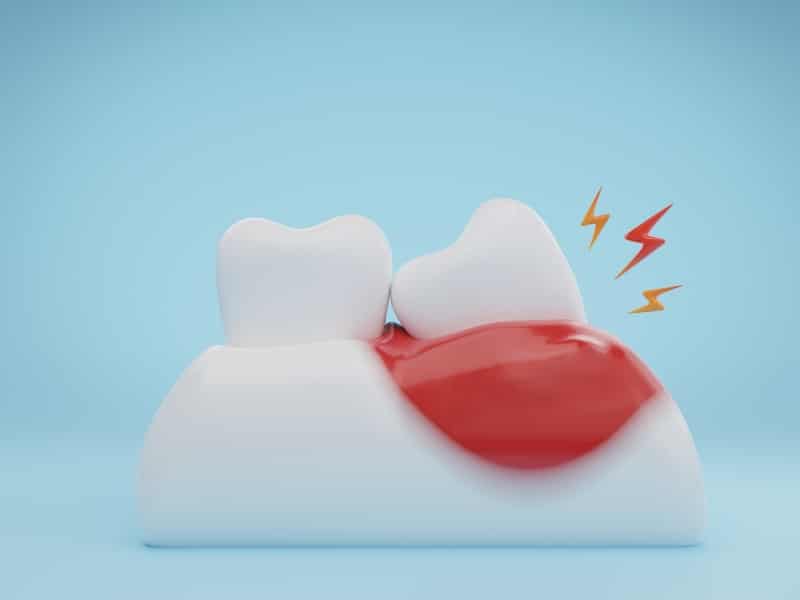
Untreated gum pain usually means something’s brewing below the surface — and without action, it doesn’t just stay put. What starts as a mild ache might be one of the first gum disease symptoms, and the longer you leave it, the higher the stakes climb.
- Bacteria thrive in inflamed gum pockets, and with no treatment, this often develops into painful abscesses that may require draining.
- Your gums may pull back from the teeth, exposing roots and increasing the risk of decay and extreme sensitivity.
- Poor gum health links with whole-body complications — research connects chronic periodontal disease with diabetes, heart problems, and even respiratory conditions.
- Prolonged pain causes behavioural changes. People might skip meals, favour soft foods, or develop jaw tension from favouring one side.
- In worst-case scenarios, tooth loss becomes unavoidable, which may then require implants, bridges, or dentures — none of which are cheap or fun.
Ignoring gum pain doesn’t make it disappear. Instead, you give it time to dig in and make itself at home, possibly changing your bite, your routine, and your health. Understanding how to manage emergency gum treatment — from costs to expected healing — also lowers the fear factor. Clear info means fewer surprises, shorter recovery, and more peace of mind.
Where can you quickly find dentists for urgent gum care?
Locating urgent dental care might feel stressful, but finding the right provider is easier when you know where to look. It starts with knowing what signs count as an emergency — bleeding, swelling, throbbing pain, or difficulty opening your mouth should all send you looking fast.
- Search your suburb plus “emergency dentist” online, and sort by open now — most services update real-time hours.
- Ask mates or local forums — someone nearby probably knows a clinic that takes urgent bookings.
- Some hospitals include dental units for emergency cases, especially if symptoms are intense or systemic (like fever).
- Consider calling first. Good clinics will triage over the phone and let you know if it’s worth coming in immediately.
- Don’t wait for weekdays — many clinics now offer after-hours emergency treatment for gum infections.
Having a go-to dentist for emergencies helps, but even if you don’t, you’re not stuck. Gum emergencies can’t afford delay, and today’s clinics are far more flexible than many expect.
What treatment options are helpful if gum emergencies are treated on time?
Treating gum issues early gives your dentist far more options — and gives you a better shot at keeping your natural teeth intact. When caught quickly, even painful flare-ups can be sorted with basic, well-established interventions.
- Deep cleaning clears out bacteria before they settle deep in tissue or spread to adjacent teeth.
- Targeted medicated gels or mouth rinses may treat early infections without invasive procedures.
- Loose teeth can often be stabilised with splints, preventing permanent loss.
- When pain is severe but infection hasn’t spread, localised treatment with antibiotics may buy time and reduce swelling fast.
- Extractions, if needed, are easier and less painful before infection spreads — plus you avoid the risk of dry socket.
Knowing the signs you shouldn’t attempt DIY tooth extraction is vital. Some people still think home remedies like saltwater or flossing around a sore tooth will fix it. They often end up in worse shape than if they’d gone in early.
Final thoughts on the dangers of delaying gum treatment
Delays in treating gum pain can cause serious harm — not just to your teeth, but to your broader health. What might start as discomfort could spiral into infection, surgery, or lasting damage. Whether it’s a dull ache or swelling that came on suddenly, take it seriously. For anyone unsure where to start, consider guidance from Marsfield Dental Care, which can put you on the right path. You’ll get real answers, practical care, and professional advice — without waiting until things get out of hand. Catch it early, and you save yourself a whole lot of grief