
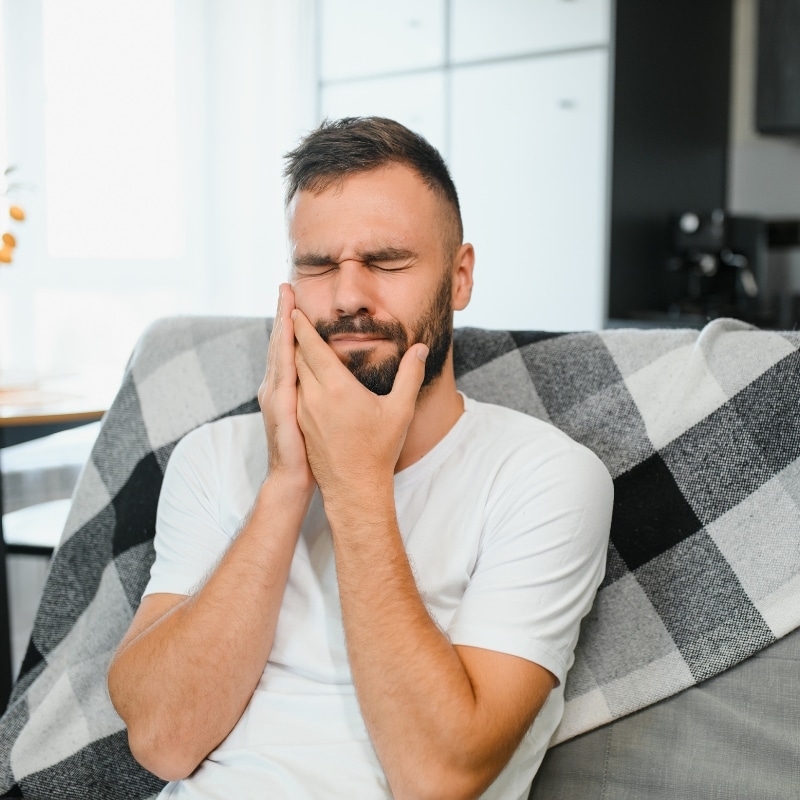
Tooth sensitivity after cosmetic brightening treatments, including teeth whitening, is common — but that doesn’t make it pleasant. One moment, your teeth feel fine, and the next, a sip of cold water triggers a sharp “zing” that catches you off guard.
If you’re wondering whether this is normal, how long it should last, or what you can do to calm it faster, you’re not alone. Many people experience some level of sensitivity after aesthetic dental treatments, especially in the first few days.
This guide walks through what’s actually happening inside your teeth, the typical sensitivity timeline, and practical aftercare that helps settle discomfort — without guessing or overdoing it.
Why teeth can feel sensitive after brightening treatments
Most cosmetic brightening treatments use peroxide-based ingredients. These ingredients penetrate the enamel to break down stain molecules that have built up over time.
While enamel is the hardest substance in the body, it isn’t completely solid. It contains microscopic pathways that allow the brightening agent to move through. During this process, the tooth can temporarily lose moisture and become more permeable.
Beneath the enamel sits dentine — a layer filled with tiny tubules that connect to the tooth’s nerve. When these tubules are exposed or irritated, changes in temperature or pressure can trigger sensitivity.
Several factors can increase the likelihood of sensitivity:
• Naturally thinner enamel
• Existing tooth wear or erosion
• Gum recession exposing root surfaces
• A history of sensitive teeth
• Micro-cracks or old restorations
This type of sensitivity is usually temporary nerve irritation, not damage.
What post-treatment sensitivity usually feels like
People describe sensitivity differently, but common sensations include:
• Short, sharp “zingers” when drinking cold liquids
• Discomfort when breathing in through the mouth
• A dull ache that comes and goes
• Sensitivity that feels worse in the evening
These sensations are generally considered normal when:
• They affect multiple teeth
• They’re triggered mainly by temperature
• They improve day by day
Pain that’s severe, throbbing, or localised to one tooth is not typical and should be checked.
The sensitivity timeline: what to expect
The first few hours
Sensitivity can begin within hours of finishing treatment.
During this stage:
• Teeth may feel mildly sore or reactive
• Cold air or drinks are the most common triggers
• The sensation often comes in quick bursts
This early phase is expected and usually short-lived.
The first 24 hours
The first day is often when sensitivity is at its peak.
You might notice:
• Stronger reactions to cold drinks
• Discomfort when eating or drinking quickly
• Sensitivity that feels more noticeable at night
This is the window where aftercare matters most. Gentle habits during this time can significantly shorten the overall recovery period.
48 hours after treatment
By the second day, most people feel a clear improvement.
At this point:
• Cold sensitivity is less intense
• Teeth feel more settled between triggers
• Normal meals are easier to tolerate
If you’re still experiencing discomfort at 48 hours, it’s usually manageable with continued care rather than a cause for concern.
Days 3–7
For the majority of people:
• Sensitivity resolves within a few days
• Occasional mild twinges may linger
• Teeth gradually return to baseline comfort
Sensitivity lasting longer than a week should be assessed to rule out other causes.
What actually helps calm sensitivity
Use a desensitising toothpaste correctly
Desensitising toothpastes work by blocking nerve signals or sealing exposed dentine tubules.
For best results:
• Use it twice daily
• Apply a small amount and spit without rinsing
• Allow several days for effects to build
Consistency matters more than switching brands repeatedly.
Adjust your brushing technique
Overbrushing is a common cause of prolonged sensitivity.
Instead:
• Use a soft-bristled toothbrush
• Apply light pressure
• Avoid aggressive side-to-side scrubbing
• Brush for two minutes, not longer
Gentle brushing protects enamel while nerves settle.
Manage temperature exposure
In the first 48 hours, try to avoid:
• Icy drinks
• Very hot beverages
• Rapid switches between hot and cold
Room-temperature water and lukewarm foods are kinder while teeth recover.
Limit acidic foods and drinks temporarily
Acids soften enamel and can intensify sensitivity.
Reduce intake of:
• Citrus fruits
• Soft drinks and sports drinks
• Wine
• Vinegar-heavy foods
If you do have acidic foods, rinse with plain water afterwards.
Avoid DIY sensitivity “fixes”
Home remedies can make sensitivity worse.
Avoid:
• Lemon juice
• Baking soda
• Activated charcoal
• Over-the-counter brightening strips
These can irritate the enamel and delay recovery.
Eating and drinking after treatment: a realistic guide
Better choices in the first few days
- Soft foods like eggs, pasta, rice, and yoghurt
- Lukewarm soups
- Plain water
- Milk
Foods and drinks to ease back into
- Coffee and tea (avoid very hot temperatures)
- Red wine
- Crunchy or hard foods
You don’t need to avoid these permanently — just reintroduce them gradually as sensitivity settles.
Why do some people get more sensitivity than others
Sensitivity isn’t a sign that something has gone wrong. Some people are simply more prone to it due to:
• Enamel thickness
• Tooth shape
• Gum position
• Past dental history
A dentist can often predict sensitivity risk and adjust care accordingly when providing a teeth whitening treatment.
One tooth hurts more than the others — should you worry?
Post-treatment sensitivity usually affects multiple teeth evenly. If only one tooth is painful, it may indicate:
• A small crack
• Gum recession
• A leaking filling
• Early decay
Pain when biting or chewing is another red flag. In these cases, don’t wait for it to “settle”.
When sensitivity isn’t normal
Seek dental advice if:
• Sensitivity lasts longer than 7–10 days
• Pain worsens instead of improving
• Pain is sharp and localised
• You feel pressure or pain when chewing
• Gums are swollen or bleeding persistently
These symptoms suggest something beyond temporary nerve irritation. Ongoing or severe sensitivity can sometimes indicate issues such as tooth decay, cracked teeth, worn enamel, or gum disease. Information on common dental problems and when symptoms need professional assessment helps explain why persistent pain shouldn’t be ignored.
How professional guidance can reduce sensitivity risk
Dentist-guided options allow for:
• Assessment of enamel and gum health
• Controlled application strength
• Protective measures during treatment
• Follow-up care if sensitivity occurs
For people prone to discomfort, professional teeth whitening allows for a more tailored and monitored approach.
What to do if sensitivity interferes with daily life
If sensitivity is stopping you from eating, drinking, or sleeping comfortably:
• Pause any at-home brightening products
• Continue desensitising toothpaste
• Avoid acidic and extreme-temperature foods
• Book a dental check
If you want to learn more about teeth whitening treatment options and how sensitivity is managed, personalised advice is the safest next step.
Frequently asked questions
How long does sensitivity usually last?
Most people notice improvement within 48 hours, with full resolution in a few days to a week.
Is sensitivity a sign of enamel damage?
Temporary sensitivity does not mean enamel damage. Persistent pain should be checked.
Can I continue brightening products if my teeth are sensitive?
It’s best to pause until sensitivity resolves and follow the dentist’s guidance before continuing.
Does sensitivity mean the treatment worked?
No. Sensitivity varies between individuals and doesn’t reflect results.
Can pain relief help?
Over-the-counter pain relief may help in the short term, but desensitising toothpaste and gentle care are more effective overall.
Final takeaway
Sensitive teeth after cosmetic brightening treatments are common, expected, and usually temporary. Knowing what’s normal — and following evidence-based aftercare — makes the experience far more manageable.
If sensitivity feels unusual, lasts longer than expected, or affects just one tooth, getting advice early can prevent more serious issues.