
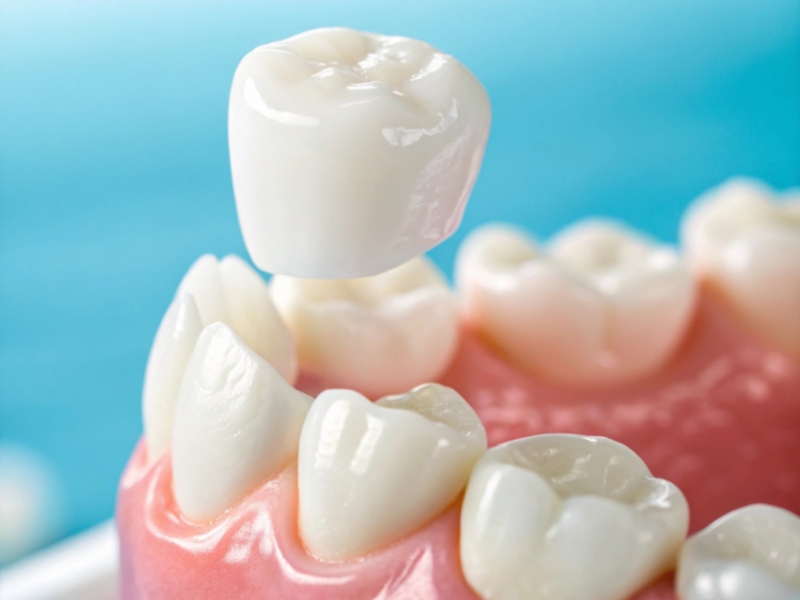
The longevity of cosmetic dentistry procedures depends on the treatment type, material quality, and how well you care for your smile afterward. Whether you’re considering veneers, bonding, or whitening, each option offers different lifespans and maintenance needs. Many patients are surprised to learn that everyday habits — like diet, brushing technique, or missing dental checkups — can significantly affect results. By understanding how long each treatment lasts, you can better protect your investment and avoid unnecessary replacements. This article explores how cosmetic dentistry procedures hold up over time and what you can do to make them last longer.
What makes cosmetic dentistry results fade over time?
Cosmetic dentistry results can lose their impact over time due to a mix of natural wear, daily habits, and overlooked maintenance. While the goal is lasting improvement, results can diminish faster than expected if certain risk factors aren’t considered early on. Here are the key reasons that can cause your cosmetic dentistry results to decline prematurely:
- Exposure to strongly pigmented foods and drinks like red wine, turmeric, and coffee leads to gradual surface staining and discolouration.
- Teeth grinding or clenching applies constant pressure that can crack or chip veneers and other restorations over time.
- Poor oral hygiene allows plaque and tartar to build up, which weakens bonds and affects the aesthetics of the restoration.
- Failing to wear protective night guards or maintain regular professional cleanings accelerates wear and reduces treatment longevity.
These fading effects aren’t immediate, but over time, the shine, alignment, and overall appeal of your cosmetic enhancements can wear thin without mindful care.
Why do some dental restorations lose their shine faster than others?
Some dental restorations wear out sooner than others because the materials used and how they interact with your habits play a major role. No single solution fits all, so understanding these differences can help set realistic expectations. Here are the main factors that impact the longevity of dental restorations:
- Resin-based materials tend to stain more quickly and wear down faster than porcelain or ceramic alternatives.
- Inadequate bonding or subpar fitting can lead to gaps or micro-leakage, causing staining and decay beneath the restoration.
- Patients with uneven bite pressure or teeth grinding habits experience faster deterioration due to constant stress on restorations.
- Inconsistent oral hygiene leads to plaque accumulation, which shortens the life of crowns, veneers, and bonding work.
Table: Lifespan and Considerations for Common Dental Restorations
| Restoration Type | Average Lifespan | Vulnerability |
| Composite bonding | 5–7 years | Easily stained, chips with wear |
| Porcelain veneers | 10–15 years | Can crack if exposed to strong bite forces |
| Tooth whitening | 1–3 years (maintenance needed) | Colour regression from diet and smoking |
| Ceramic crowns | 10–15 years | Gum recession and improper hygiene |
This is why modern smile enhancement options must be chosen based on lifestyle fit as much as aesthetic appeal.
Can poor aftercare shorten the lifespan of smile treatments?
Poor aftercare can drastically cut down the lifespan of smile treatments by accelerating the wear and tear of dental restorations. Long-lasting results require more than a single dental appointment — they rely on consistent, smart maintenance. Here are the most common aftercare mistakes that impact smile treatment durability:
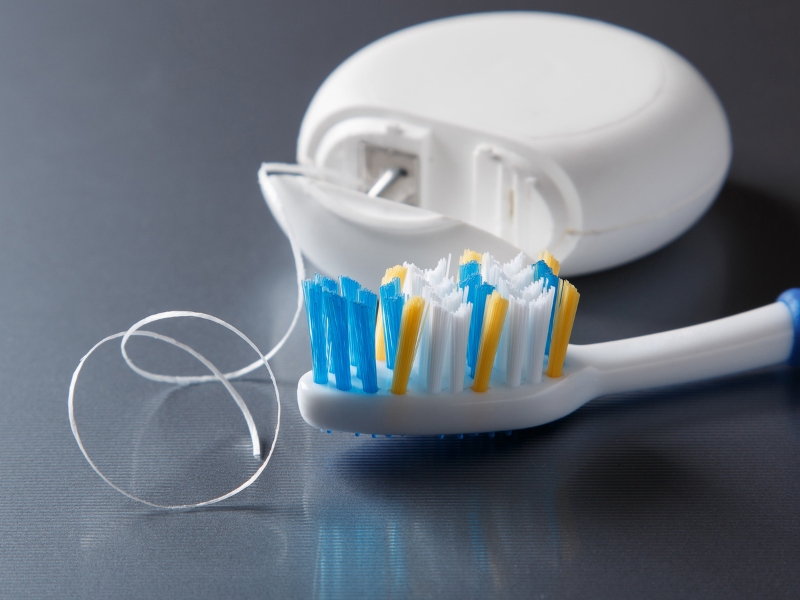
- Skipping flossing or brushing allows bacteria to build up and degrade restoration bonds or natural tooth structure.
- Ignoring custom-fit night guards results in micro-fractures from nighttime grinding or clenching, even if not felt.
- Smoking or frequent dark drink consumption stains restorations and natural teeth unevenly, ruining uniform colour.
- Failing to attend routine dental checkups allows minor issues to escalate into larger repair needs.
Without proper aftercare, you risk needing repeat procedures much sooner. It’s far more cost-effective and comfortable to maintain than to constantly replace.
How long do veneers, bonding, and whitening typically last?
Veneers, bonding, and whitening all have different lifespans, influenced by the materials used, your habits, and how well you maintain them. Generally, veneers last the longest, while whitening needs regular touch-ups. Here are the expected durations for each of these cosmetic dentistry procedures:
- Porcelain veneers typically last 10–15 years or more when properly cared for and checked regularly.
- Composite bonding generally holds up for 5–7 years, but can degrade faster without protective habits in place.
- Whitening treatments may only last a year or two if your diet includes lots of staining foods or drinks.
- Factors like bite alignment, oral hygiene, and treatment technique can either prolong or shorten these timelines.
A key part of treatment success is choosing the right aesthetic dental treatment that suits your goals and your lifestyle, not just the look you want.
How can regular dental checkups extend cosmetic results?
Regular dental checkups are one of the simplest yet most effective ways to preserve your cosmetic results and keep your smile looking its best for years. Prevention is key — small corrections today can avoid major repairs tomorrow. Here are the benefits of attending regular dental checkups after cosmetic treatments:
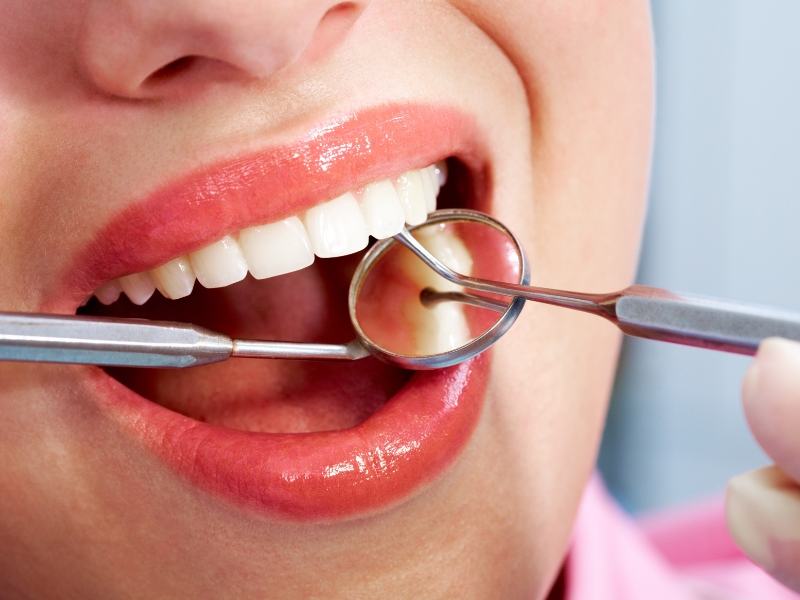
- Professional cleaning removes hard-to-reach plaque and surface stains that home brushing can’t tackle.
- Dentists monitor for signs of wear, cracks, or bond failure before they become visible or painful.
- Checkups include bite assessments to catch early signs of grinding or misalignment that could damage restorations.
- Updates or tweaks to whitening, bonding, or guard fittings keep your smile balanced and functional.
Checkups are not just about clean teeth — they’re part of preserving cosmetic work and ensuring you enjoy the benefits of tooth-coloured fillings for natural smiles.
What role does daily oral hygiene play in treatment longevity?
Daily oral hygiene plays a central role in protecting the investment you’ve made in your smile. Consistency with your routine prevents damage, staining, and decay from undermining cosmetic work. Here are the daily habits that help extend the life of dental treatments:
- Use a soft-bristled brush and gentle toothpaste to avoid scratching the veneer or bonding surfaces.
- Floss daily to remove buildup between teeth and prevent bacteria from affecting your restorations’ margins.
- Avoid food and drinks that stain or erode, especially in the first few days after treatments like whitening.
- Use a nightguard if prescribed, particularly if you have a history of grinding or jaw tension.
Making these part of your daily rhythm is one of the most reliable paths to maintaining healthy teeth at home, which also protects the look and longevity of your cosmetic enhancements.
Final thoughts on getting long-lasting smile improvements
Long-lasting smile improvements come from a thoughtful combination of smart treatment choices and consistent maintenance. Cosmetic procedures offer great aesthetic results, but they don’t last forever without your effort. The good news is that, with proper habits and routine dental care, many cosmetic enhancements can last well beyond their average timelines. For personalised advice on getting the best results, seek guidance from Marsfield Dental Care.