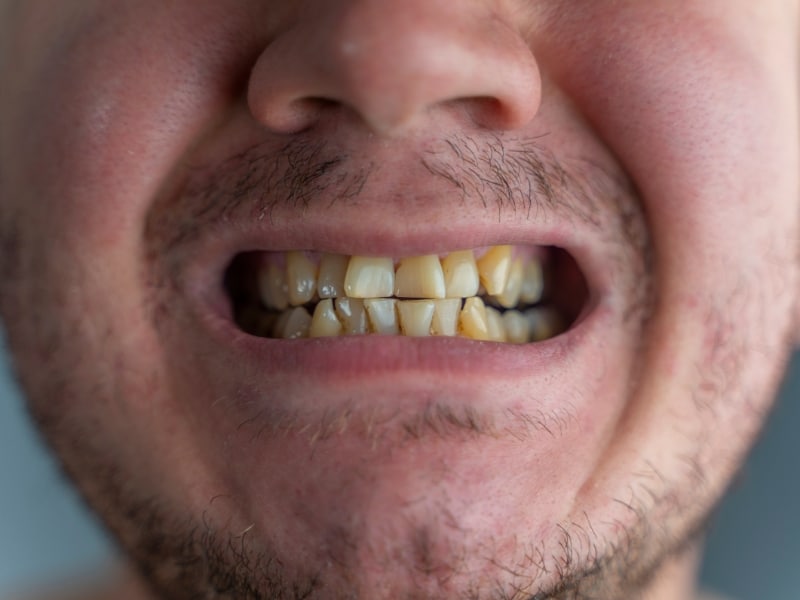
Getting a dental X-ray is essential for understanding what’s happening beneath the surface of your gums and teeth. These images help detect issues that aren’t visible during a standard check-up. From cavities forming between teeth to impacted wisdom teeth or bone loss, dental x-rays allow for early diagnosis and better treatment planning. Despite their importance, many people feel hesitant due to safety concerns or uncertainty about the process. This article explores what you should know before stepping in for your next dental X-ray, and how it can directly impact your oral health journey.
Why do dental problems often go unnoticed without X-rays?
Dental problems often go unnoticed without X-rays because many issues begin silently beneath the surface, hidden from the naked eye. You might brush and floss daily, but symptoms like bone decay, infections, or cysts can still develop deep within the jaw or between teeth. Standard visual exams can’t always detect these problems early. Here are the key reasons why X-rays are essential for uncovering hidden oral health issues:
- Tooth decay between teeth often starts invisibly, progressing without symptoms until it becomes painful or severe.
- Gum disease can cause bone deterioration long before the gums appear swollen or bleed during brushing.
- Impacted teeth, like wisdom teeth, can develop in awkward angles or fail to erupt, causing pressure and misalignment.
- Infections in the jawbone or root of a tooth may only become noticeable after significant damage has occurred.
Without early detection from X-rays, these issues might only surface when treatment becomes more complex, invasive, or expensive.
How can skipping regular dental imaging impact oral health?
Skipping regular dental imaging can lead to late diagnoses, more invasive treatments, and potentially permanent damage to your oral structures. While it might seem harmless to skip an X-ray or two, doing so removes a critical tool in preventive care. Imaging doesn’t just confirm what’s wrong—it helps ensure what’s healthy stays that way. Here are the consequences of missing timely dental X-rays:
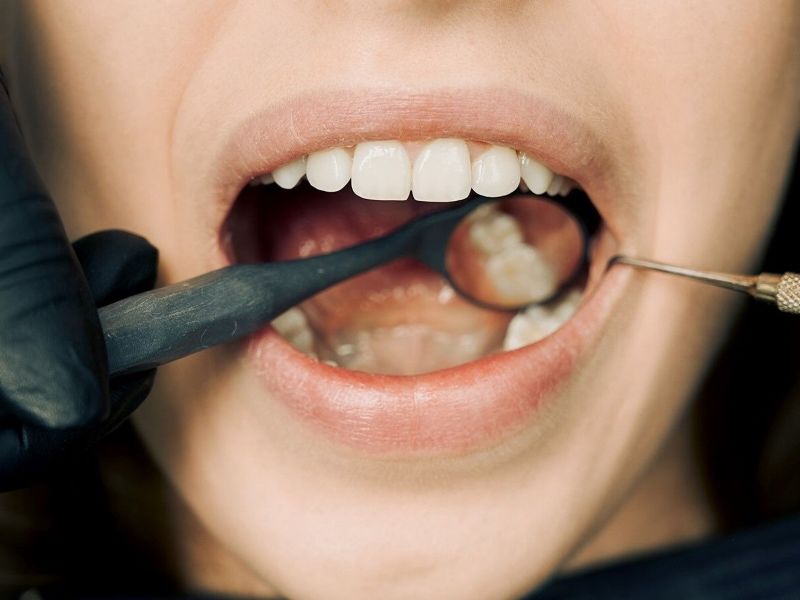
- Delays in spotting oral infections can allow bacteria to spread into the bloodstream or neighbouring structures.
- Cavities can reach the nerve of the tooth, requiring root canals or extractions rather than a simple filling.
- Tumours or cysts might remain unnoticed, increasing health risks and requiring more aggressive intervention later.
- Changes in bone structure from prolonged gum disease can impact bite alignment and denture fit permanently.
Over time, ignoring dental imaging can compromise both your comfort and your confidence. If you’re looking for ongoing support and preventive insight, find reliable dental care solutions focused on long-term oral wellness that prioritise early detection and tailored care.
Could delaying getting a dental X-ray lead to bigger issues?
Delaying getting a dental X-ray often allows minor concerns to escalate into serious oral health issues that demand more complicated solutions. Even if you’re not feeling pain, that doesn’t mean everything’s fine beneath the surface. Oral health problems rarely resolve themselves. Here are the long-term risks of postponing dental X-rays:
- Decay can extend into the tooth pulp, potentially spreading infection to the jaw or surrounding teeth.
- Undiagnosed jaw issues, like fractures or misalignment, might worsen with daily use and pressure.
- Advanced gum disease (periodontitis) may progress without symptoms until teeth become loose or fall out.
- Hidden cavities in children or teens can affect tooth development, alignment, and long-term oral hygiene habits.
| Dental Condition | Early Signs Without X-Rays | Consequences of Delay | Timeframe for Progression |
| Tooth decay | Often invisible | Nerve exposure, infection, and extraction | Weeks to months |
| Gum disease | Mild inflammation | Bone loss, loose teeth | Several months to years |
| Jaw fracture | Persistent pain | Misalignment, bite issues | Immediate to short-term |
| Impacted wisdom tooth | Pressure or crowding | Tooth shifting, cysts | Gradual, over months or years |
Postponing x-rays isn’t just about delaying the inevitable—it’s about increasing the cost, stress, and severity of what’s ahead. You may also miss out on early interventions that can save natural teeth and reduce complications. To understand how X-rays serve a bigger purpose in health, it’s worth knowing how dental imaging contributes to diagnosis and safety.
When is getting a dental X-ray most helpful for diagnosis?
Getting a dental X-ray is most helpful when your dentist needs to investigate pain, plan treatment, or check for structural problems that can’t be seen otherwise. It becomes an essential tool for identifying what’s really going on—and choosing the most effective path forward. Here are the situations where dental X-rays are most beneficial:
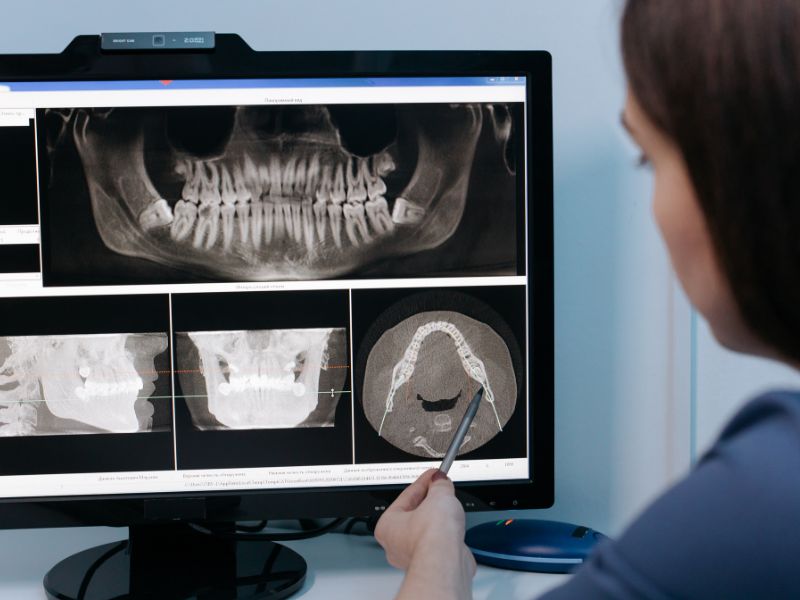
- Before major dental procedures, like implants or extractions, to evaluate bone density and root placement.
- During routine check-ups, especially if you’re prone to decay, gum disease, or have a history of dental issues.
- When experiencing unexplained discomfort, like headaches or jaw pain, to rule out hidden causes.
- For orthodontic planning, to assess tooth position, growth patterns, and jaw development in younger patients.
X-rays don’t just spot problems—they support accurate, personalised care. They also help confirm whether previous treatments are holding up well. For more context on the benefits of timely imaging, explore preventive bite correction and root canal planning.
Final thoughts on getting a dental X-ray
Getting a dental x-ray is a proactive step in protecting your oral health—not just a response to discomfort. It offers insights that help preserve your teeth, spot complications early, and guide effective treatment plans. Although dental X-rays use low levels of radiation, modern digital systems further reduce exposure, making them a safe and valuable tool. If you’re unsure about timing or necessity, your dentist can recommend a personalised schedule based on your risk factors and oral health history. If you’re considering your next appointment or simply want to discuss whether an X-ray is needed, you can get in touch with Marsfield Dental Care for support that’s informed and reassuring.